
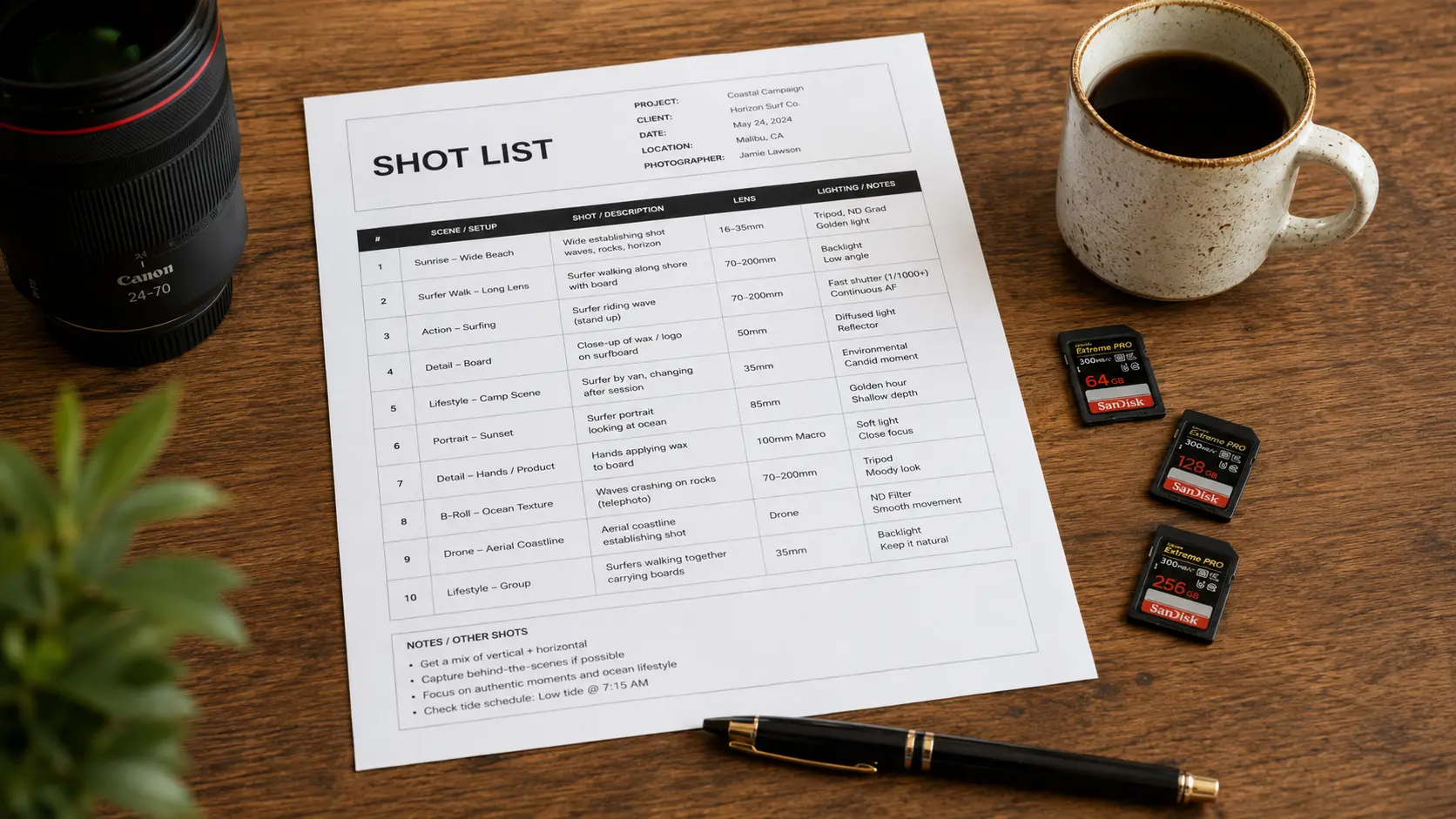
Start With What The Photos Need To Do
A shot list is not meant to control every frame your photographer takes. It is a planning tool that tells the photographer what the event needs to accomplish after the room clears: a recap email, sponsor report, LinkedIn post, press release, annual report, internal presentation, or next year's event marketing.
That context matters. If your communications team needs proof of attendance, wide room images become important. If sponsors are involved, branded moments need to be protected. If executives or honorees are central to the program, the photographer needs to know who matters before the event starts.

Pre-Event And Venue Coverage
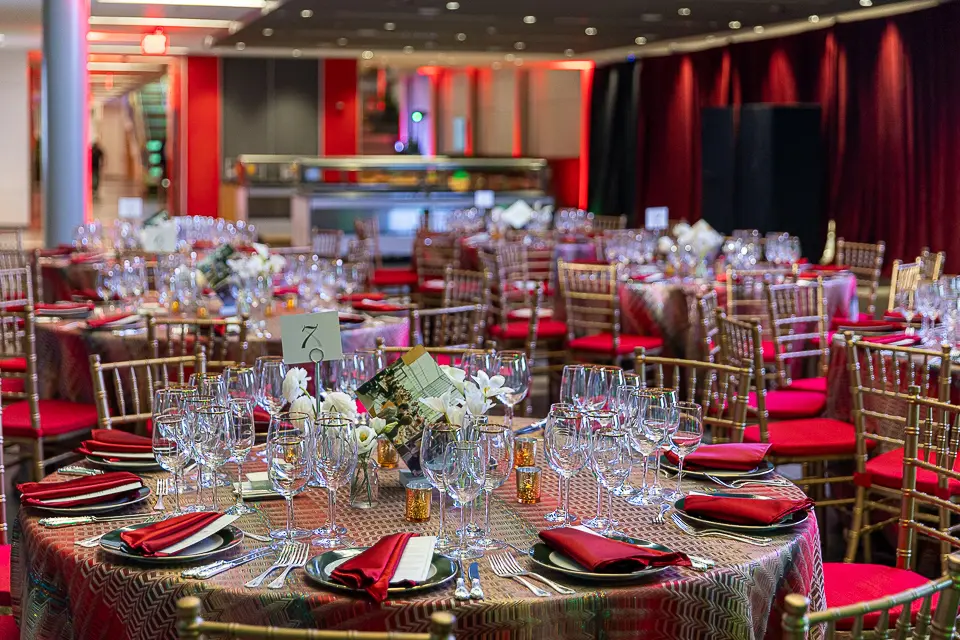
Before attendees arrive, the shot list should include signage, registration, stage design, room setup, sponsor materials, branded details, florals, table settings, and clean environmental images that establish the location.
These images often become useful later because they show the scale and professionalism of the event without depending on one specific speaker or VIP moment.
Arrival, Registration, And Networking
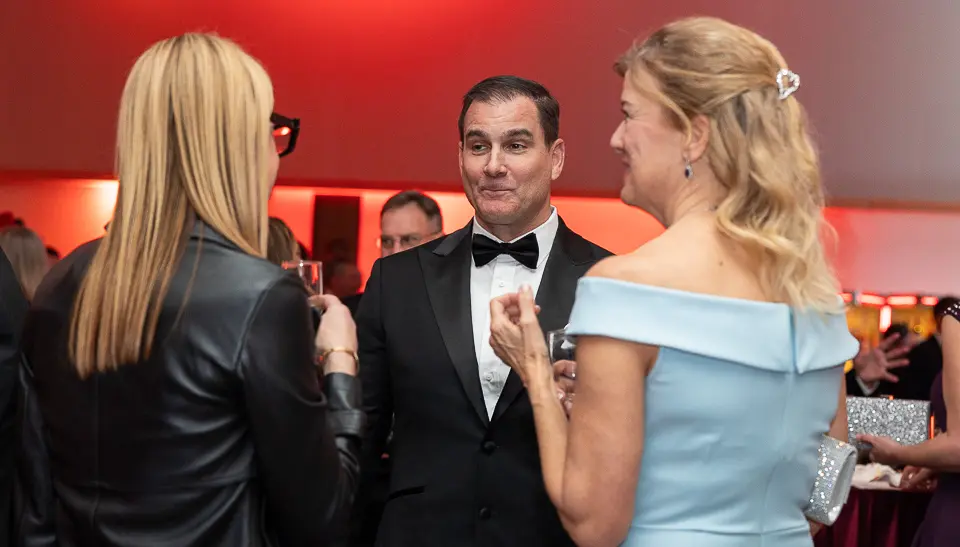
The first hour of an event often carries quiet but useful storytelling value. Guests arrive, teams greet attendees, sponsors begin conversations, and the energy of the room starts to build.
For planners, these images show that the event was organized, attended, and alive. They are especially useful for recap emails, social posts, membership communications, and future registration campaigns.
Keynotes, Panels, And Audience Reactions
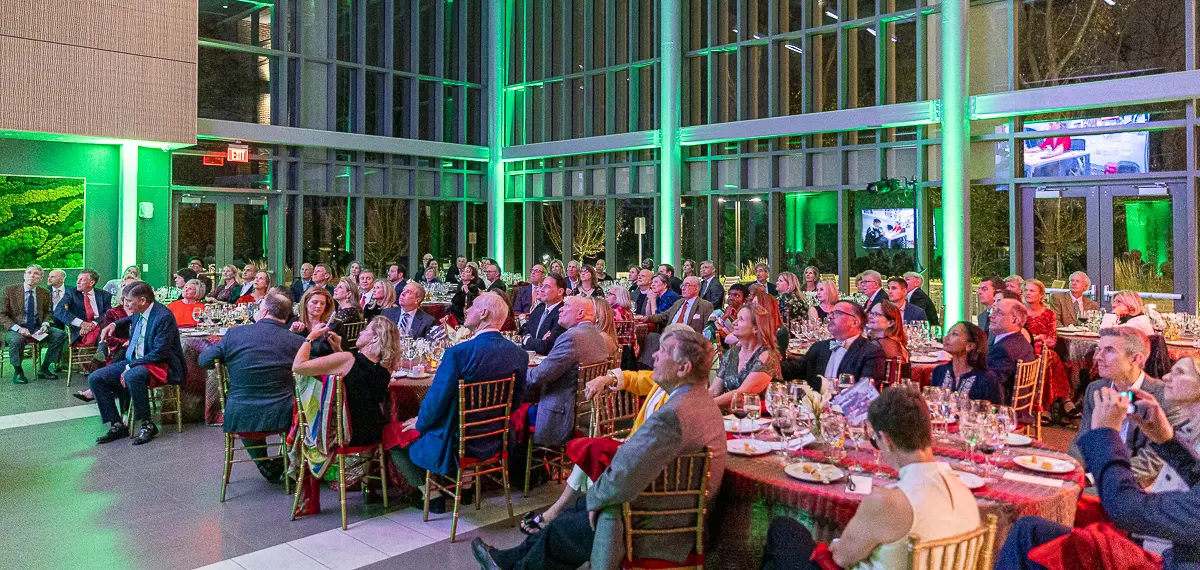
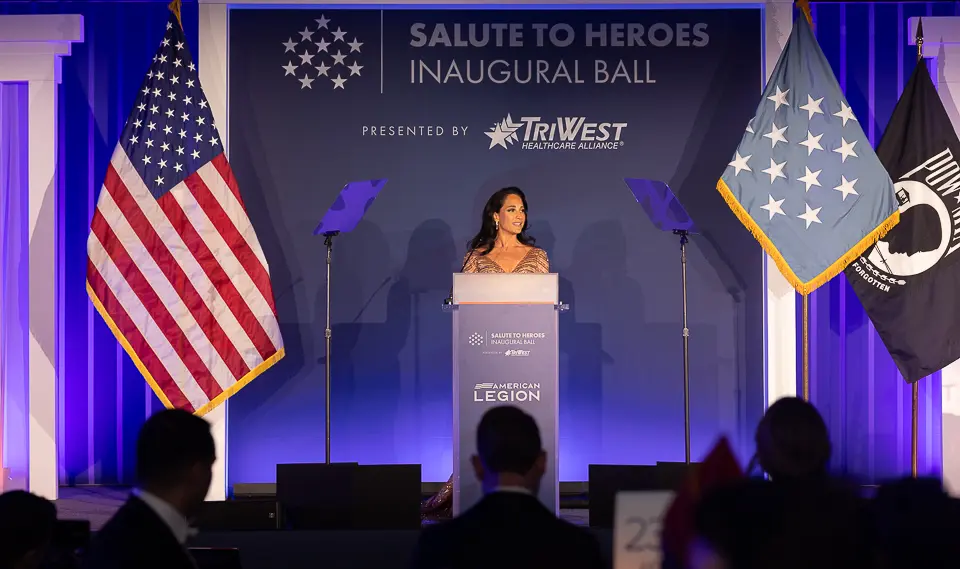
Stage coverage should include wide room views, clean speaker portraits, panel compositions, audience reactions, applause, questions, and moments where the room feels engaged.
A strong event photographer knows that audience reaction images can tell the story of impact better than a podium photo alone. The shot list should identify the speakers, panels, award moments, and presentation segments that cannot be missed.
Sponsor And Stakeholder Coverage
Sponsors need proof. That may include booth interactions, signage, branded backdrops, stage mentions, networking moments, and images that show sponsor visibility in context.
If sponsor deliverables matter, they should be written into the shot list before the event. That gives the photographer a chance to capture them naturally instead of forcing a rushed photo at the end of the night.
VIPs, Awards, And Must-Have People
If executives, board members, honorees, donors, speakers, elected officials, or client leadership need to appear in the final gallery, identify them before event day. Names, titles, and quick reference photos can help the photographer recognize the right people without interrupting the event team.
This part of the list should stay practical. It does not need to include every attendee. It should identify the people whose absence from the gallery would create a problem later.

Post-Event Content Needs
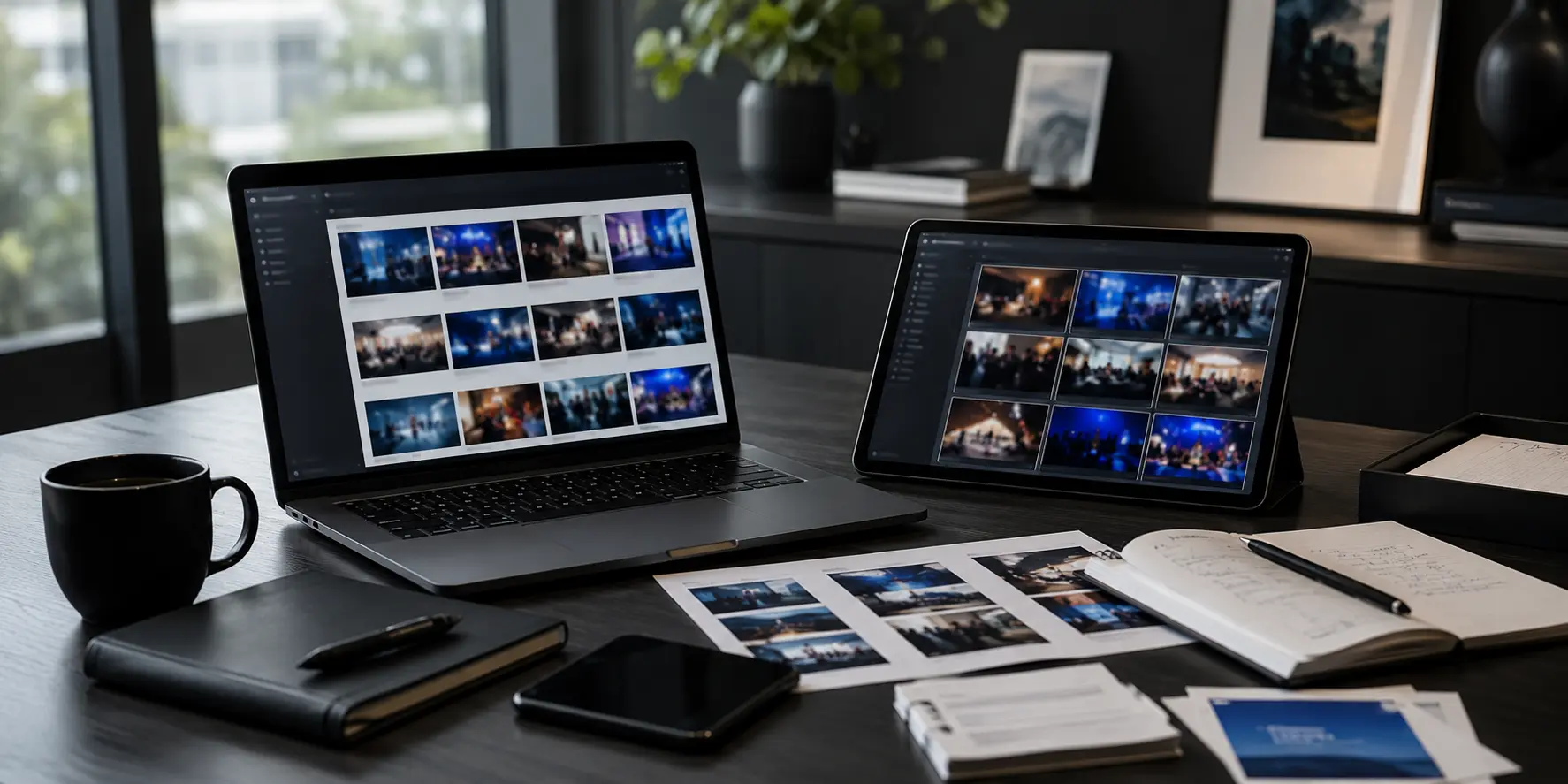
The strongest shot lists think beyond event day. Include where the images will be used after delivery: LinkedIn, newsletters, press, internal updates, board reports, sponsor recaps, annual reports, recruitment materials, or future event promotion.
When the photographer understands the intended use, the final gallery has more range. You get wide room images, vertical frames, clean speaker photos, candid interactions, sponsor proof, and details that can work across different channels.

What To Send Your Photographer Before The Event
- The final run-of-show or agenda.
- Speaker, panelist, sponsor, and VIP names.
- Reference photos for people who are difficult to identify by name alone.
- A short list of must-have moments.
- Sponsor or partner deliverables.
- Any sensitive moments, people, or details to avoid.
- How the photos will be used after the event.
- Preferred gallery organization, if your team has a workflow.
How To Share The Shot List With Stakeholders
The shot list should not live only in one person's notes. Share it with the planner, communications lead, sponsor manager, executive assistant, and photographer before the event. This makes expectations visible and gives everyone a chance to correct priorities early.
What To Prioritize When The Schedule Changes
Events rarely move exactly as planned. Speakers run long, rooms change, VIPs arrive late, and networking windows shrink. A good shot list helps the photographer make smart decisions when the schedule changes.
If there is only time for a few moments, the photographer should already know what matters most: the keynote, the sponsor activation, the award recipient, the room-scale image, the VIP photo, or the audience reaction that proves the program landed.
How To Build The List From An Agenda
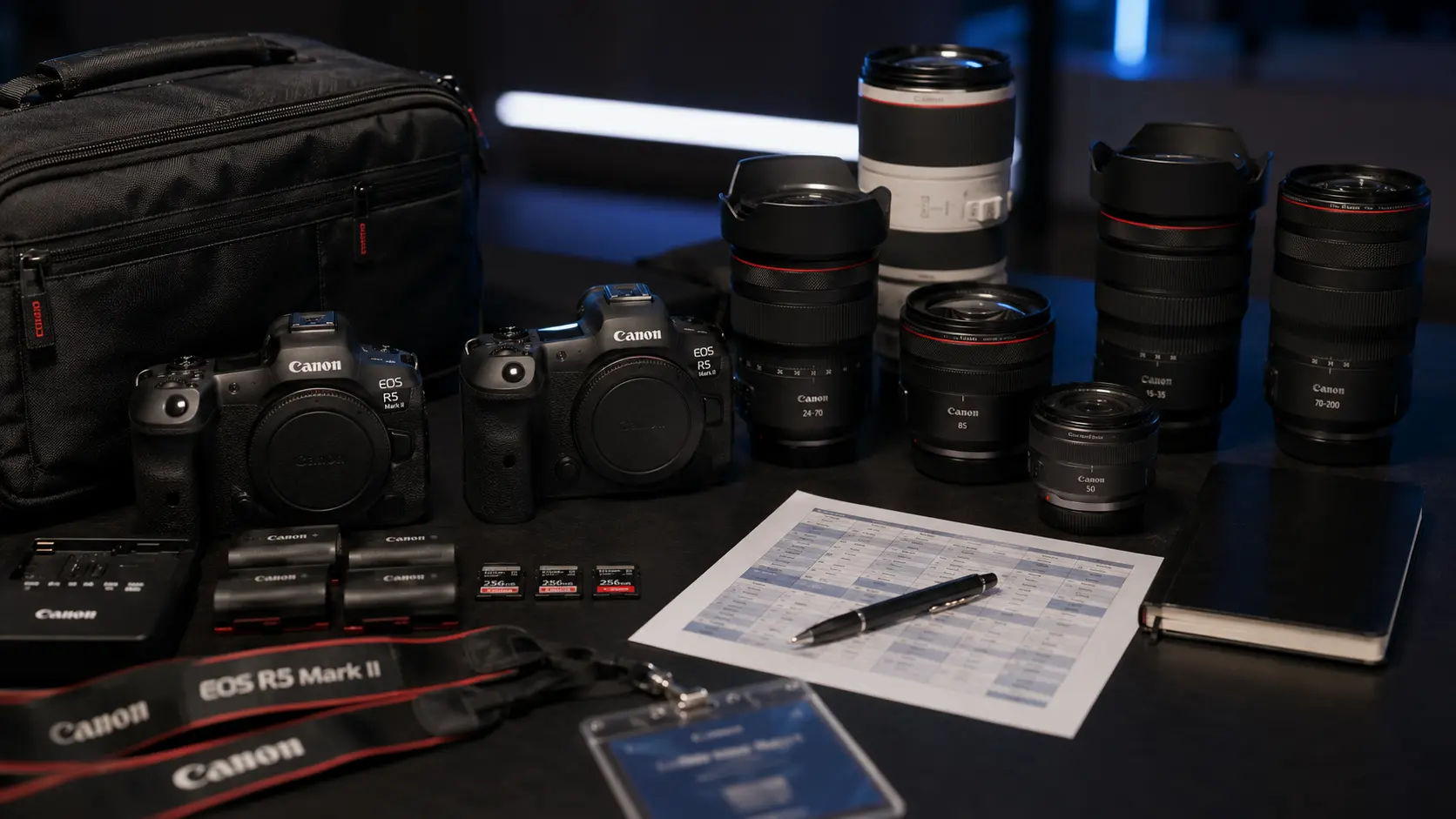
Start with the agenda and mark the moments that cannot be repeated. Keynotes, award presentations, VIP arrivals, major sponsor moments, and group photos usually need the most attention.
Then add supporting coverage: signage, networking, audience reactions, details, hospitality, sponsor interactions, and atmosphere. That keeps the list useful without turning it into a script.
How To Use The List After Delivery
The same categories can help your team use the gallery later. Stage photos can support recaps. Networking images can support social content. Sponsor images can support partner reports. Detail photos can support future promotion.
When the gallery is organized around those uses, your team does not have to start from a folder full of hundreds of unrelated files. The shot list becomes a bridge between the event and the content your organization needs afterward.
When To Keep Flexibility
Not every valuable moment can be predicted. Some of the best images happen in transitions, conversations, reactions, and unscripted interactions. The list should protect must-have images while still giving the photographer space to observe the room.
A rigid list can make coverage feel mechanical. A smart list creates direction without limiting awareness.
How This Connects To District Pixel
District Pixel uses shot lists as a planning tool, not a creative limitation. The goal is to understand the business-critical images before the event, then stay alert enough to capture the human moments that cannot be planned.
If you are planning an event in Washington DC, start with the main service page for event photography, review related examples in the portfolio, or read more about corporate event photography in Washington DC.