
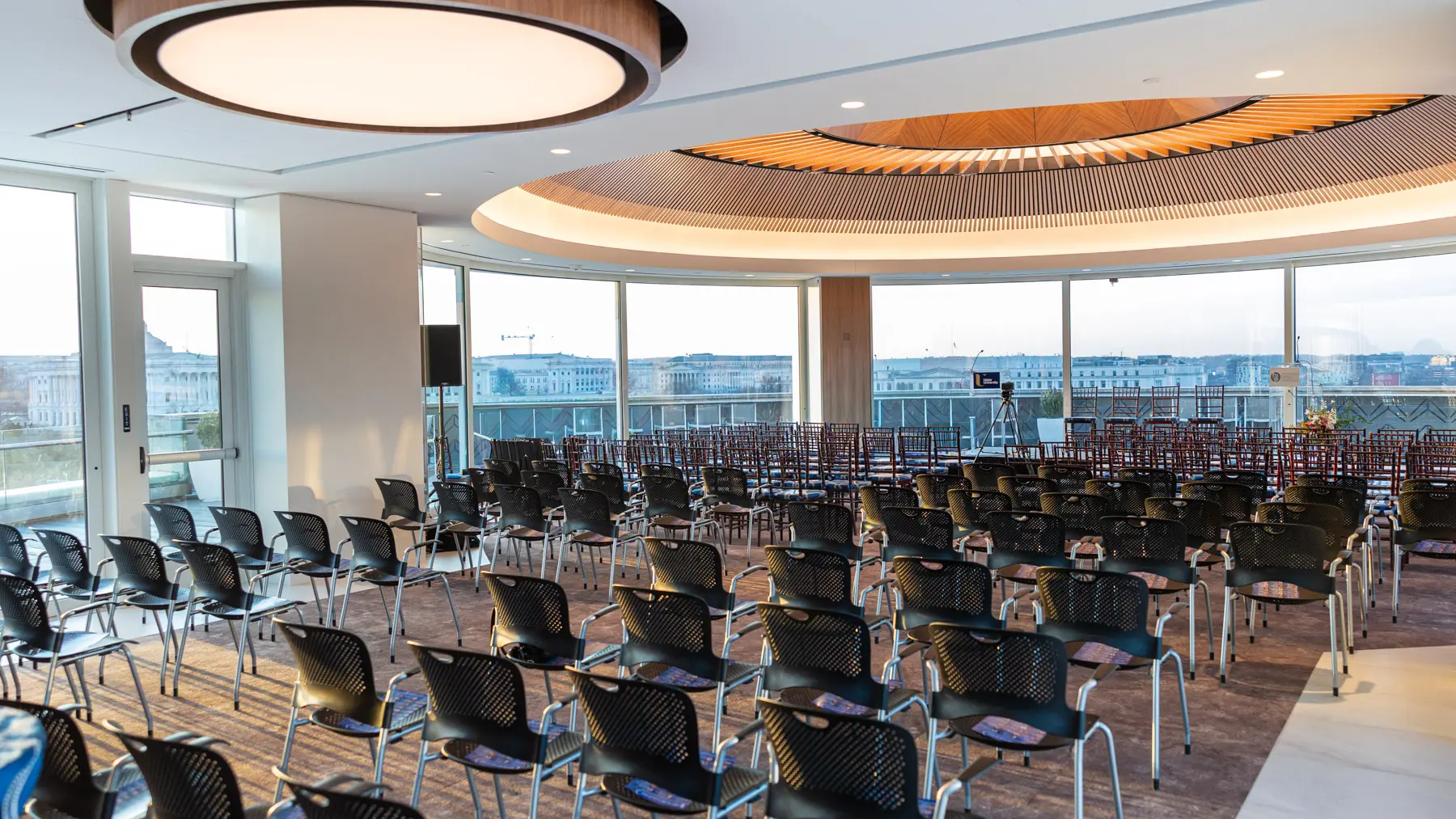
Choosing a corporate event photographer in Washington DC is a decision that most organizations make too quickly. The event is on the calendar, photography is on the vendor checklist, and the first available photographer with a reasonable rate gets the booking.
That approach works until it does not. Until the gallery arrives and the keynote looks dark, the award presentations are blurry, and the networking candids feel like stock photos. The communications team needed images for Monday. The press release went out without photos because the delivery was not ready.
Washington DC's corporate event market is demanding. The organizations here, whether associations, government-adjacent agencies, nonprofits, law firms, or tech companies with policy offices, operate at a high professional standard and need photography that reflects it. This guide covers exactly what to look for, what to ask, and how to evaluate whether a photographer is actually qualified for your event.
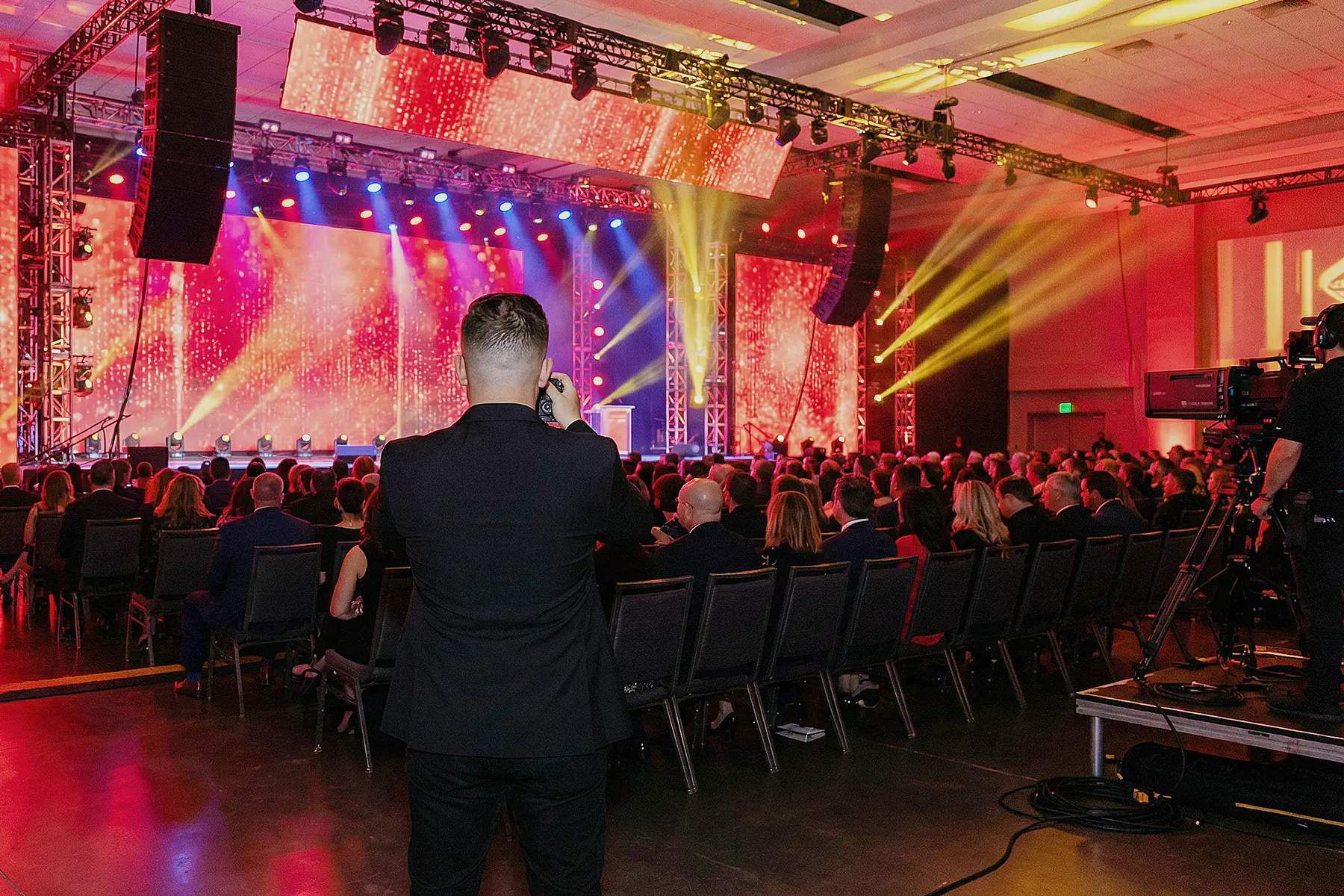
What a Corporate Event Photographer Actually Does on the Day
Before evaluating photographers, it helps to understand the full scope of what the job requires. Corporate event photography is not a single skill. It is a sequence of distinct challenges that require different techniques within the same engagement.
A corporate event is covered as a sequence of decisions, not a checklist of shots.
The strongest galleries come from reading the room in real time: light, access, speaker rhythm, sponsor visibility, VIP movement, and the moments your communications team will need first.
Before the room fills, the photographer maps the best positions for the program, arrivals, room coverage, sponsor moments, and any areas where access may tighten once guests arrive.
Stage lighting, mixed color temperatures, dark corners, and speaker angles are checked before the first keynote begins.
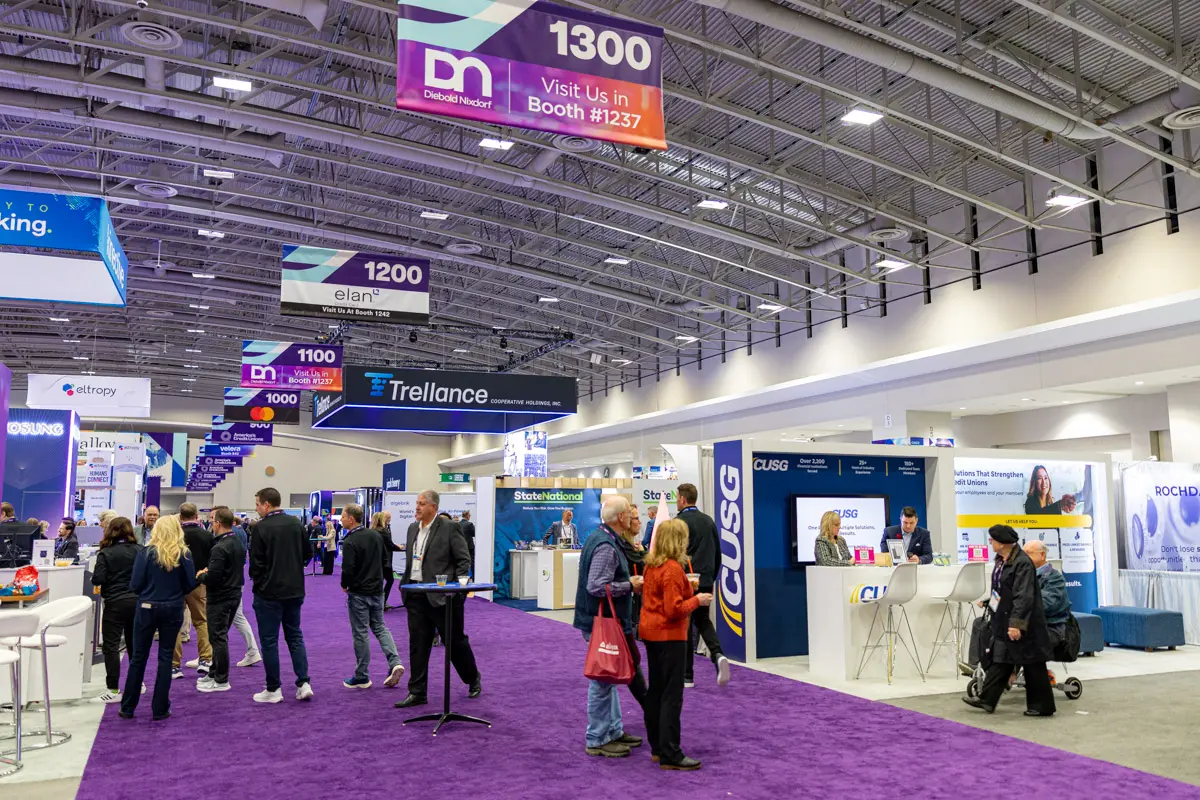
Clean wide images establish scale, production, table settings, branding, registration, and the professional context around the event.
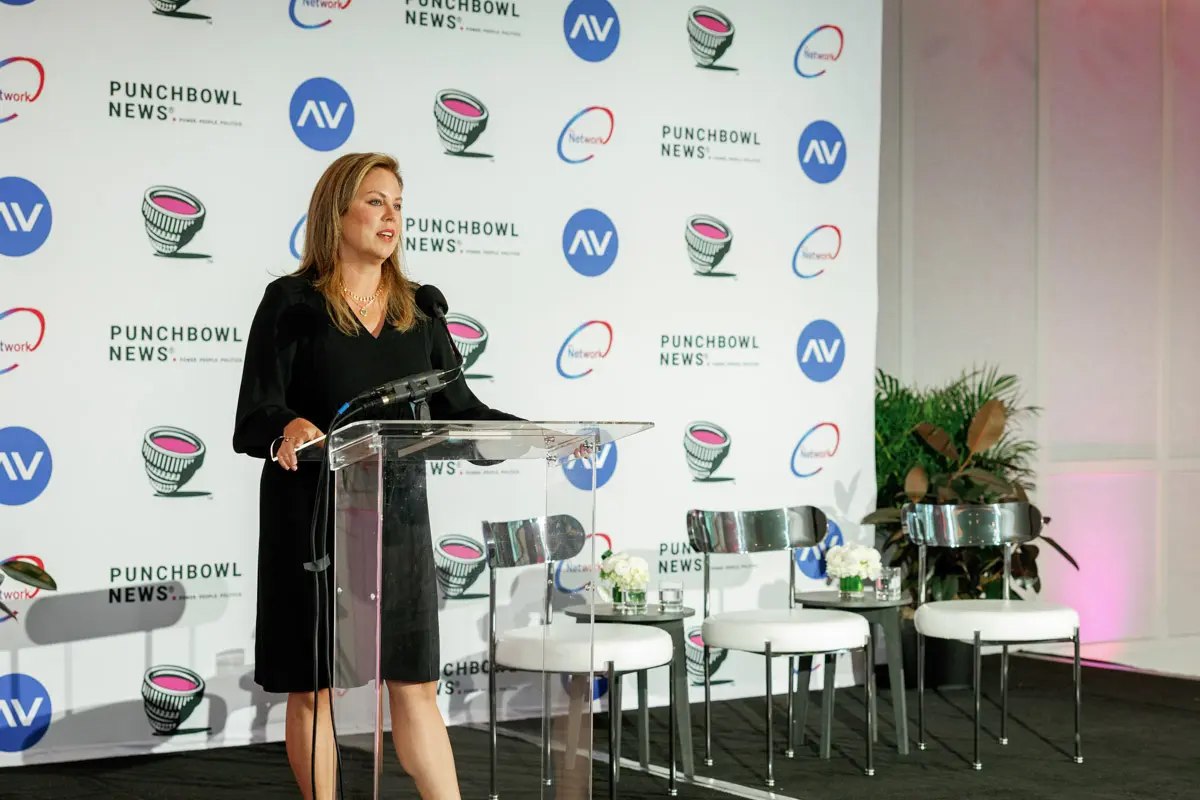
Speaker arrivals, keynote coverage, panels, audience reactions, and breakouts all require different positioning and timing.
Award presentations, leadership interactions, sponsor visibility, group photos, and real candids rarely happen twice.
The final gallery should serve press, recap emails, LinkedIn, internal updates, sponsor reporting, and next year's event marketing.
Each part of the day requires a different lens, exposure approach, and instinct for anticipation. A photographer who covers galas beautifully but has never worked a multi-track conference may still miss the moments your communications team actually needs.
The Difference Between Event Photography and Other Photography
Event photography is not portrait photography. It is not commercial photography. The closest relative is photojournalism, because the job is to document real moments as they happen, not to create them.
A corporate event photographer cannot ask the speaker to repeat the keynote for a better angle. They cannot move the award recipient back to the podium after the moment passes. They work with the light they have, the access they are given, and the timeline the event dictates. Their job is to be ready before the moment happens, not to react after it is gone.
The Five Questions Every DC Event Planner Should Ask Before Booking
Most photography consultations focus on price and availability. Those are the wrong starting points. Price tells you nothing about whether the photographer can handle your specific event, and availability just tells you the date is open. These five questions get closer to what actually matters.
Five buyer filters that protect the event before you sign.
These questions are not small talk. They reveal whether the photographer can handle your format, your venue, your timeline, and the communications value of the final gallery.
Not just similar in category, but similar in format, venue type, and scale. A strong gala portfolio may not prove experience with a six-hour, four-room conference with concurrent breakouts.
Every professional corporate event photographer carries a backup camera body, backup lenses, and backup storage. A camera failure mid-event should never mean lost coverage.
DC venues range from windowed rooms with afternoon sun to warm hotel ballrooms and historic spaces where supplemental lighting is restricted. Ask how each scenario is handled.
A professional corporate event gallery should be organized by event segment: keynote, breakouts, networking, awards, VIP moments, and sponsors.
You should receive full commercial usage rights for press releases, LinkedIn, social media, internal communications, annual reports, and marketing materials without surprise licensing fees.
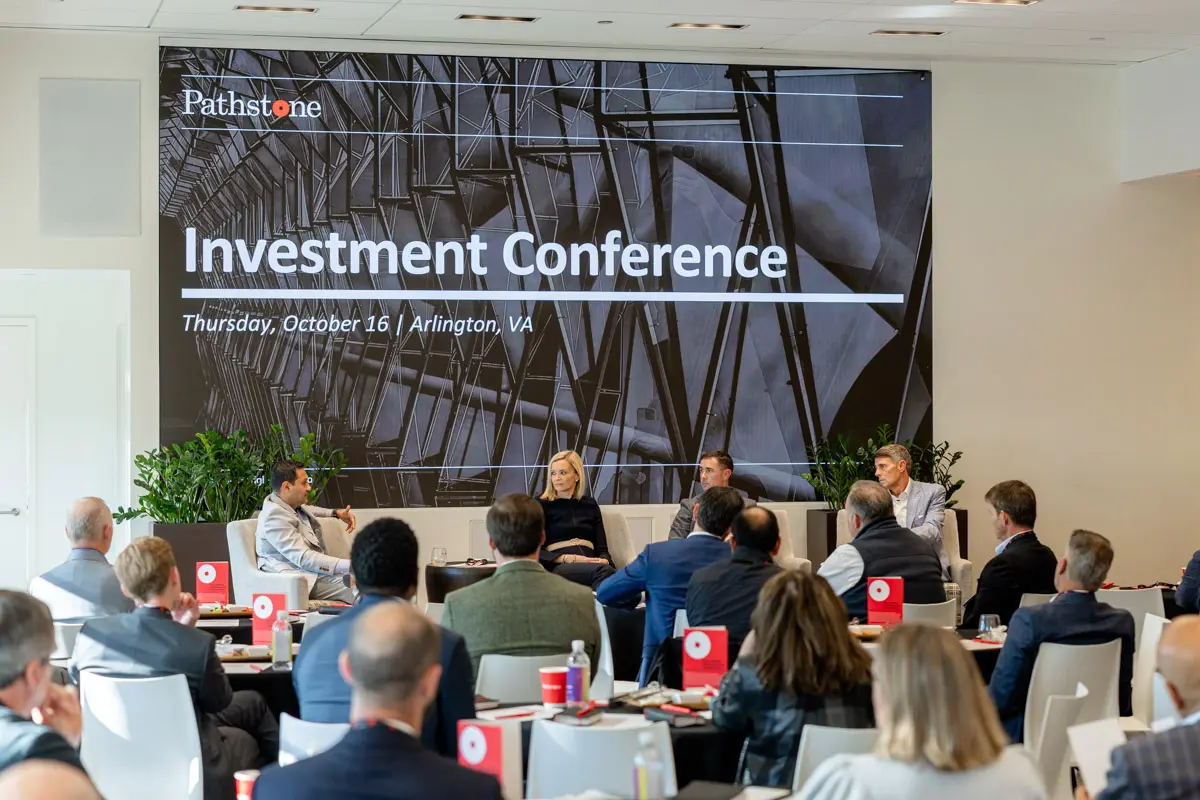
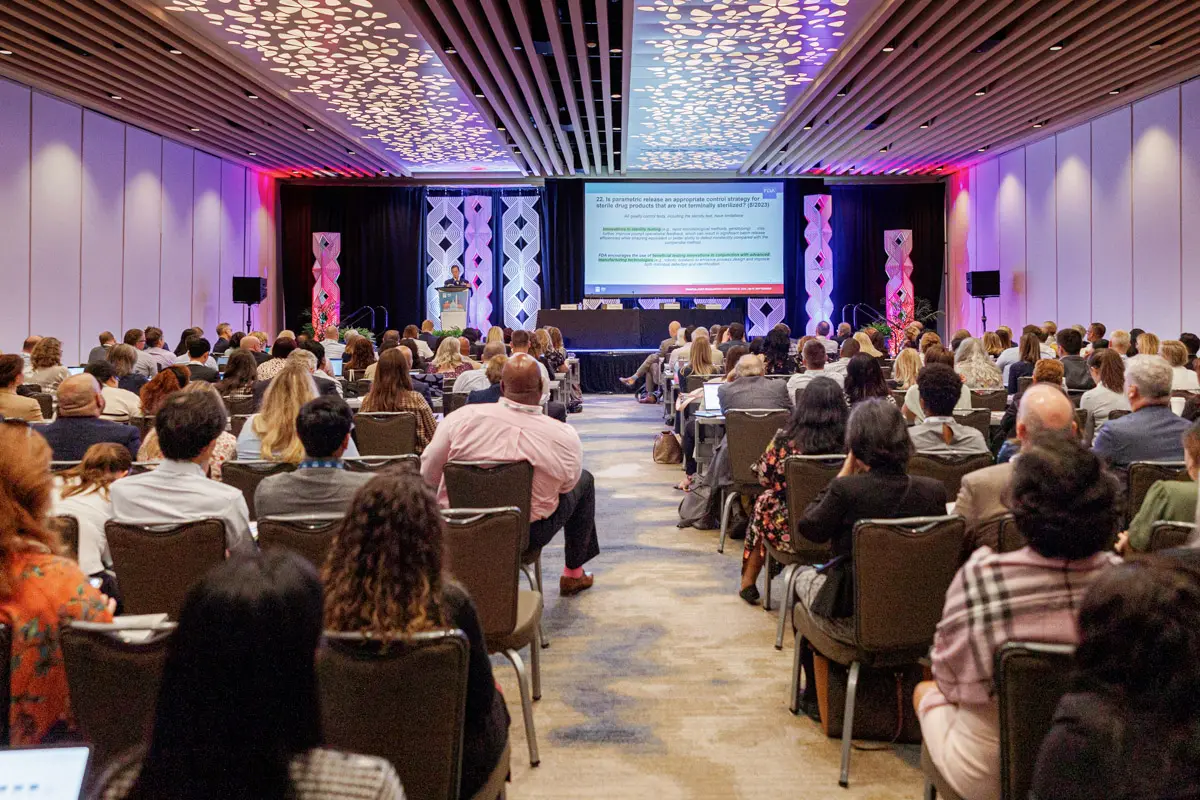
Why Delivery Speed Matters More Than Most Clients Realize
Corporate event photography has a narrow window of maximum value. The press release goes out within 24 hours. The LinkedIn recap post performs best within 48 hours while the event is still in the network's memory. The email to attendees lands most effectively within two days. The internal stakeholder update needs to go to leadership before the weekend.
If your photographer delivers a gallery a week after your event, most of that value is gone. Not because the images are not good, but because the communications window closed without them.
A professional corporate event photographer in Washington DC should deliver a complete, organized gallery within 24 to 48 hours of the event closing. For same-day press needs, a selection of high-priority images should be available the same evening. If a photographer cannot meet that standard, ask why before you book, not after.
District Pixel standard: We deliver a complete, organized gallery within 24 hours of most corporate events in Washington DC. For same-day press and communications needs, we offer priority delivery of selected images the same evening.

What a Strong Event Photography Portfolio Looks Like
Reviewing a corporate event photography portfolio requires looking past the obvious hero images. Anyone can post the best-lit, most dramatic frame from an evening gala. What tells you more is the consistency across the whole engagement.
- Lighting consistency: Do the images look good across different lighting conditions in the same event, not just in one perfect shot?
- Speaker coverage: Are keynote and panel images sharp, well-framed, and captured from useful angles?
- Candid quality: Do the networking and reception images feel authentic, or do they look like posed candids?
- Room-scale shots: Are there establishing images that show the room at capacity, conveying the event's scale?
- Award and VIP moments: Are those high-priority frames technically clean and well-timed?
- Sponsor visibility: If the event had branding, is it visible and well-positioned in the images?
- Overall consistency: Does the gallery look like one cohesive body of work, or like a mix of strong and weak images?


Red Flags to Watch for When Reviewing Vendors
Some issues become visible during the evaluation process if you know what to look for. These are the signals that a photographer may not be the right fit for a high-standard corporate engagement.
No clear backup plan. A professional always has one. If the answer is vague or absent, the photographer has not thought through what happens when something goes wrong on-site.
Delivery timelines longer than 72 hours. Some photographers quote one to two weeks as standard. That is not the standard for corporate communications work in Washington DC. It is the standard for wedding photography, where the usage window is different.
Portfolio that mixes event types heavily. A photographer whose portfolio is 80% weddings and 20% corporate events has a different skill set than one who specializes in corporate work. The lighting instincts, the shot priority decisions, and the gallery organization are fundamentally different disciplines.
Unclear usage rights. If the photographer cannot clearly state what you can and cannot do with the images at the time of the quote, that is a contract problem waiting to happen.
No questions about your event. A photographer who does not ask about your run of show, your VIPs, your venue, or your communications goals before quoting is not thinking about your specific event. They are thinking about filling a date.
How District Pixel Approaches Every Washington DC Corporate Event
District Pixel is a Washington DC corporate event photography studio. We work with associations, nonprofits, law firms, tech companies with DC policy offices, government-adjacent organizations, and corporate teams across Downtown DC, Capitol Hill, Arlington, Bethesda, and Alexandria.
Every engagement starts before event day. We review the run of show, identify priority moments, confirm VIP coverage requirements, and assess the venue's lighting conditions. We bring primary and backup equipment on every job. We deliver organized galleries within 24 hours.
We photograph events the way communications teams actually use the images: organized by segment, color-corrected for consistency, and delivered at both print and web resolution so your team can use them immediately across every channel.
For more on how our engagements are structured, read our breakdown of what high-level organizations should expect from a corporate event photographer and our guide to realistic event photo delivery timelines in Washington DC. If you are also evaluating venues, our 2026 guide to DC corporate event venues covers the spaces we work in most frequently.

Ready to discuss your upcoming DC event?
District Pixel covers corporate conferences, galas, association events, and executive meetings across Washington DC and the surrounding metro area. Let us know what you are planning.
Start Planning