conference photographer Washington DC: What This Page Is Built To Answer
For planners comparing a conference photographer Washington DC option, the real question is not only image quality. The question is whether the photographer can understand the agenda, protect the room, document the right stakeholders, and deliver images the communications team can actually use. A strong conference photographer Washington DC workflow should cover stage moments, audience reactions, sponsor visibility, networking, and post-event assets. If your team is searching for a conference photographer Washington DC because the event has visibility, executives, sponsors, or press value, the planning process matters as much as the camera work.
Why Conference Photography in Washington DC Is Different
Conference photography in Washington DC is not just event documentation. It often supports communications, sponsor value, public visibility, member engagement, and the reputation of the organization hosting the program.
Many DC conferences involve associations, nonprofits, policy groups, government-adjacent organizations, and corporate teams. The rooms are often formal, stakeholder-heavy, and time-sensitive. The photographer needs to understand more than exposure and composition; they need to understand the business purpose of the event.
What A Conference Photographer Should Cover
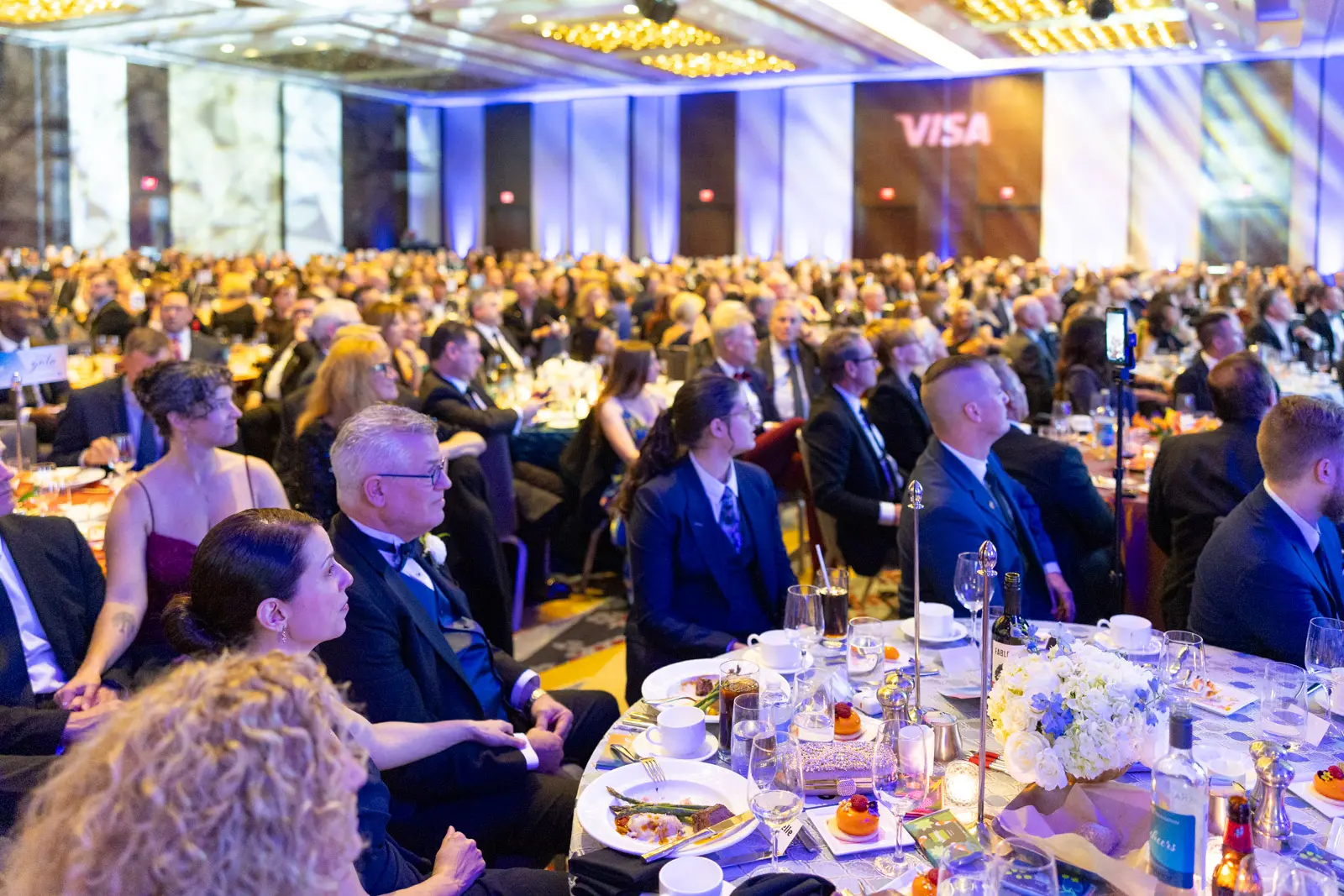
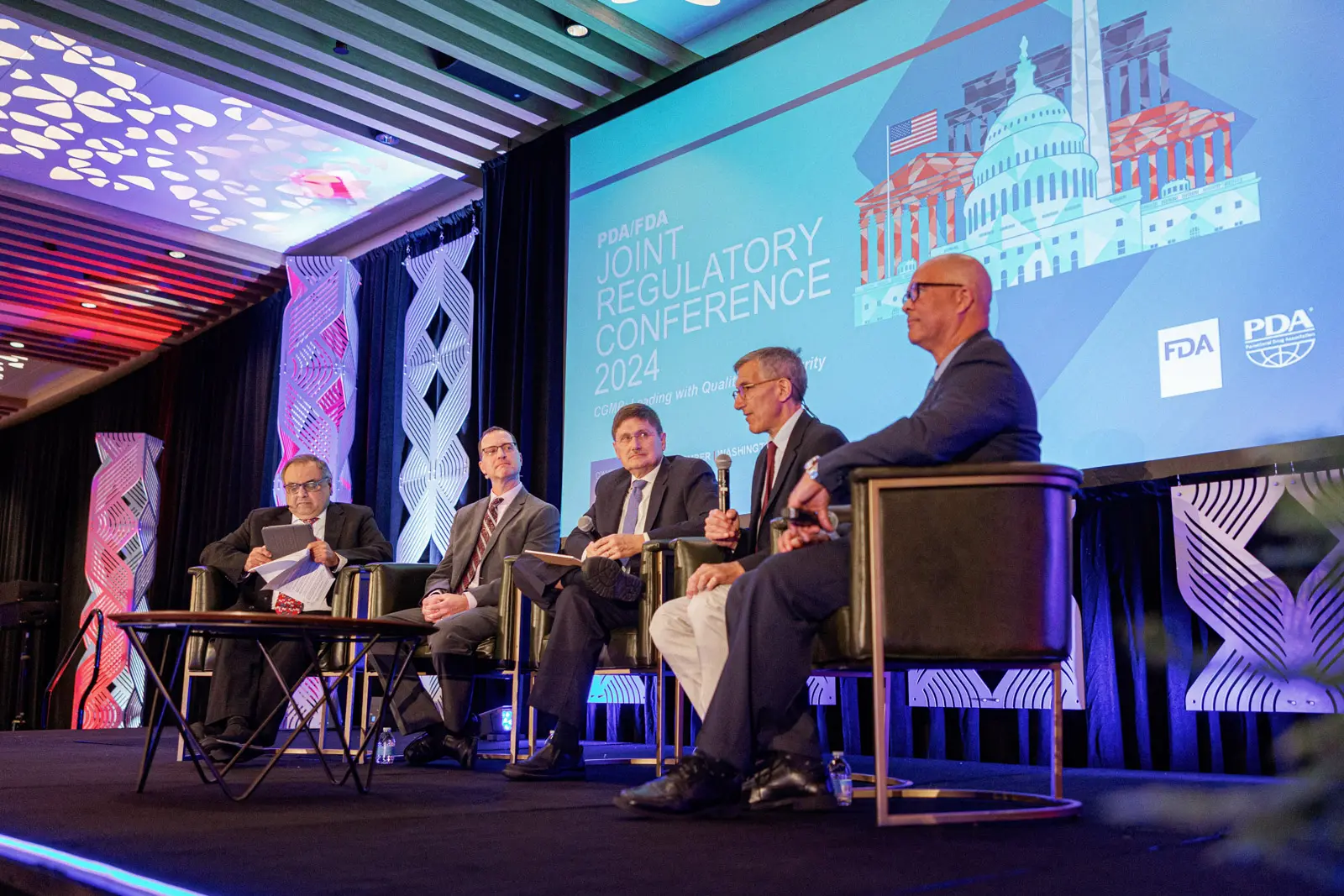
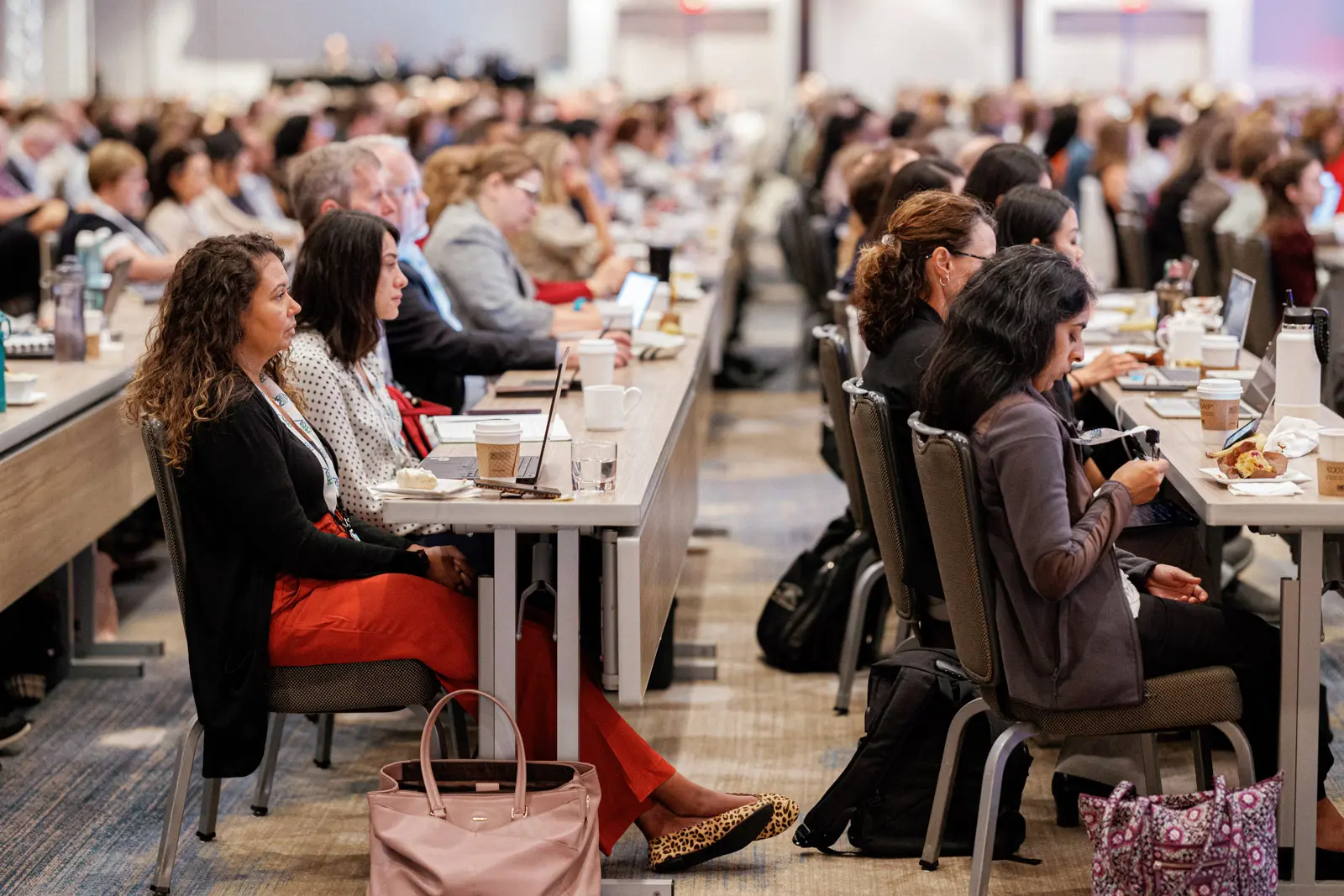
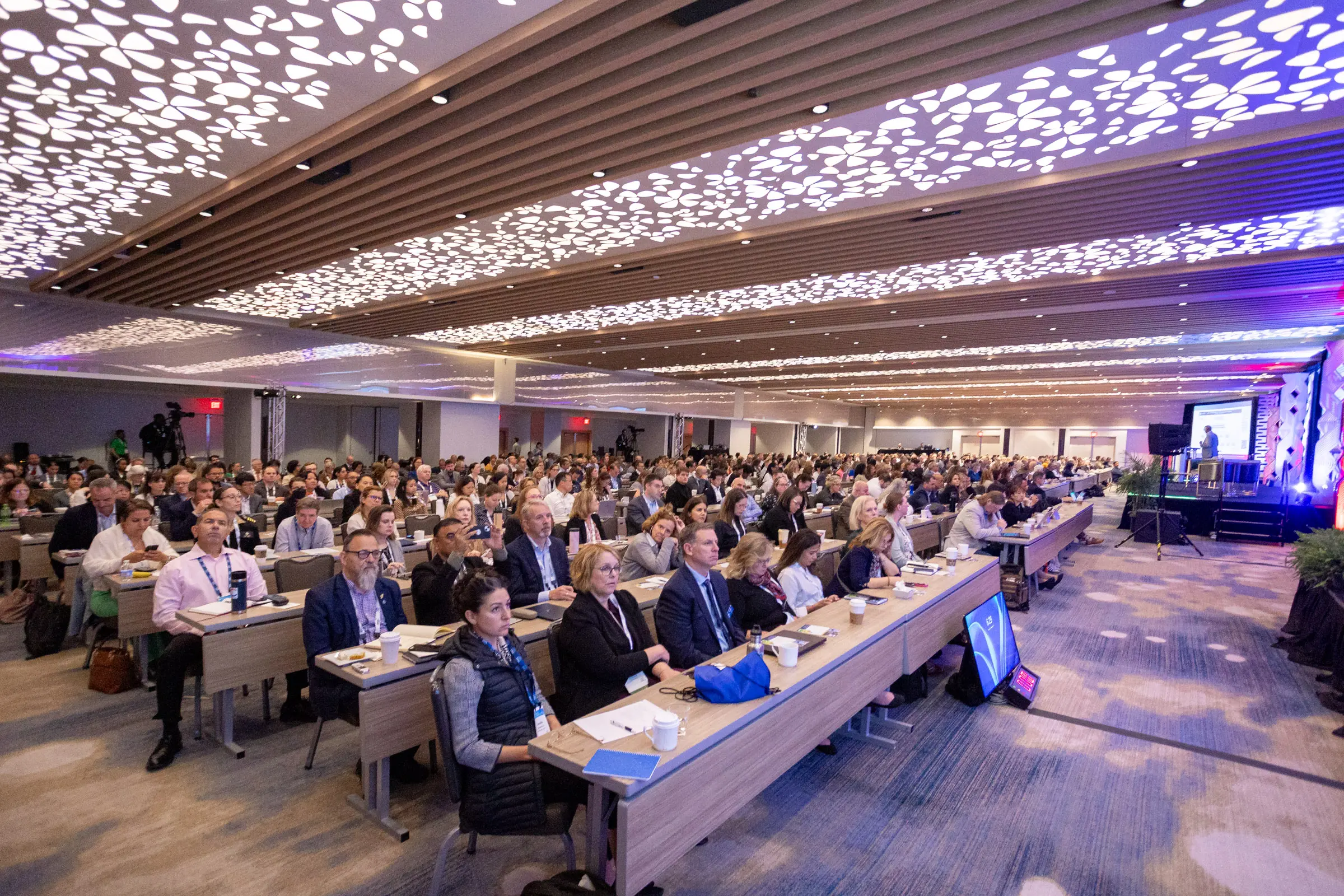
A complete conference gallery should tell the story of the room before, during, and after the main program. That means arrivals, signage, registration, keynote speakers, panel discussions, audience reactions, sponsor presence, networking, environmental images, and the details that make the event feel credible.
For communications teams, the most useful images are often not the most obvious. A strong audience reaction, a clean sponsor image, a wide room shot, or a polished networking moment may become more valuable than another duplicate of the podium.
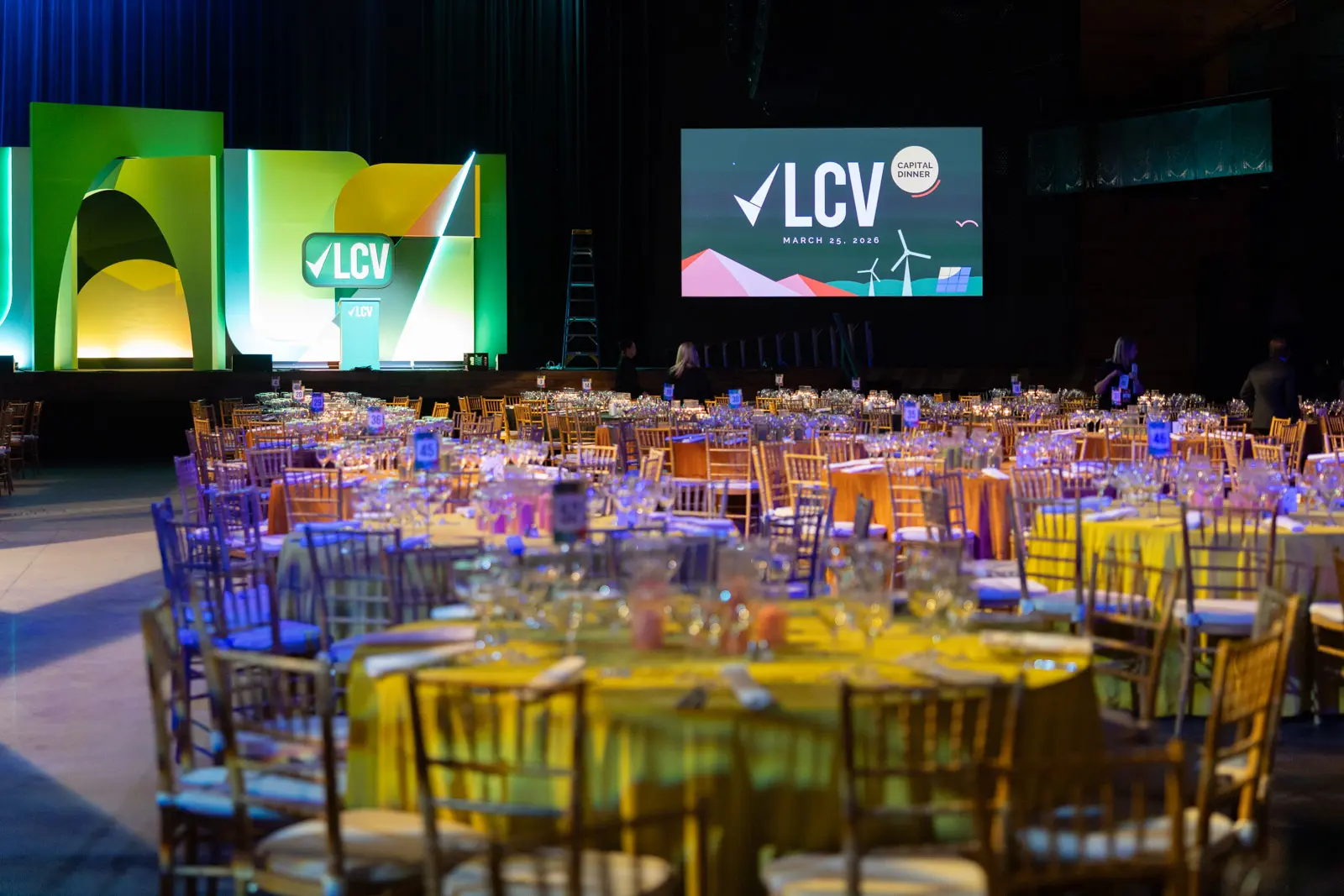
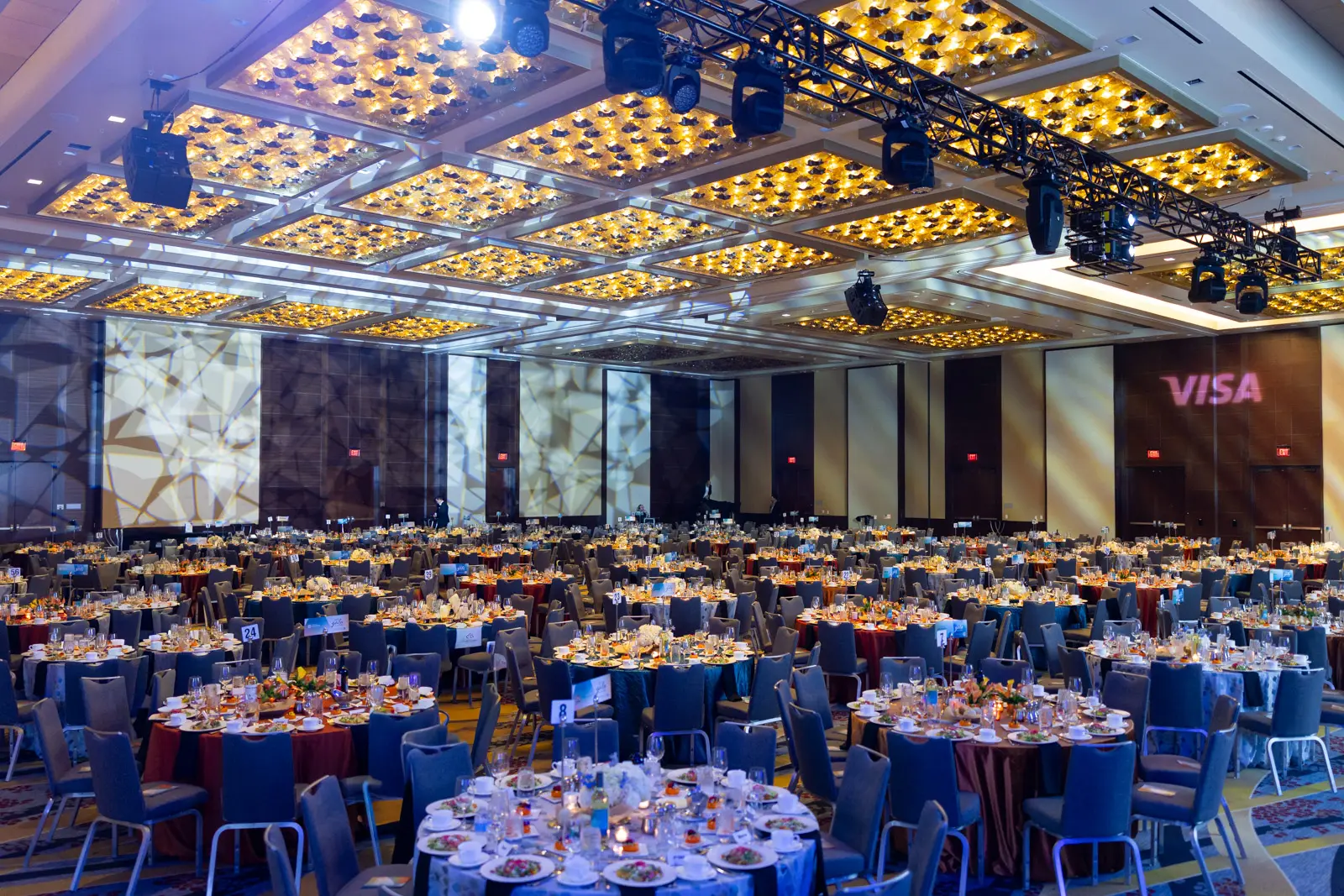
Details matter more than many teams realize. Planners often spend months shaping the table design, menus, florals, place settings, signage, and hospitality moments that guests may only experience for a few hours. Those images are not filler; they are proof of the planning work, vendor coordination, and guest experience behind the event.



How We Plan Coverage Before Event Day
At District Pixel, the planning process starts with the run-of-show. We look for the moments that matter: keynote timing, speaker transitions, panels, VIP arrivals, sponsor visibility, award segments, networking windows, and any moments the organization needs for reporting or promotion.
This is where professional event photography in Washington DC becomes visual operations. The goal is not to simply show up with a camera. The goal is to understand what the client needs the images to do after the event.
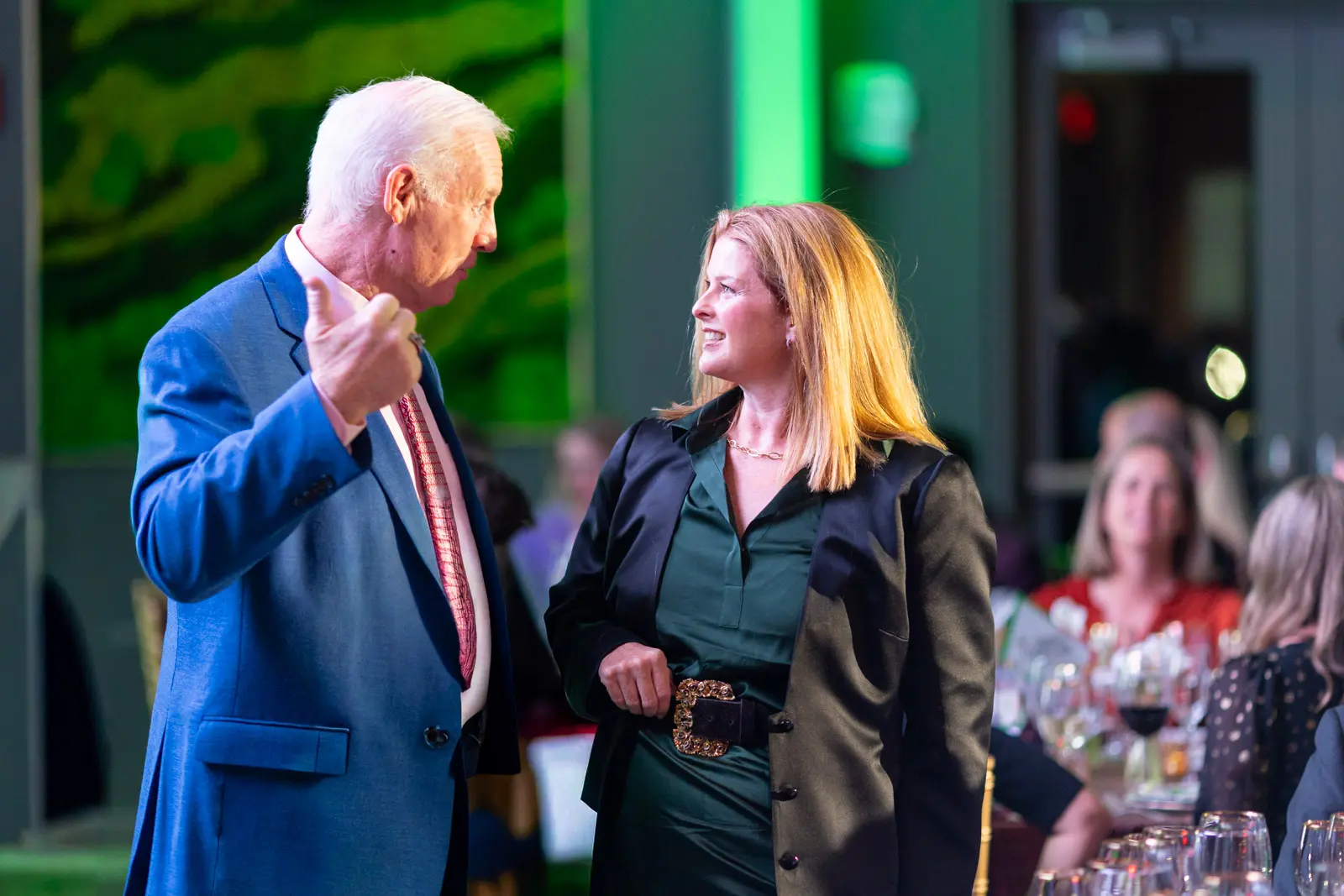
Candid coverage is one of the places where a conference gallery becomes useful beyond the recap. Planners need images that show real conversations, attendee energy, and the moments that prove people were not just present; they were engaged.

During The Event: Movement, Timing, And Discretion
A Washington DC conference photographer needs to move without becoming part of the program. Keynote coverage, audience reaction images, and networking moments all require timing and discretion.
The strongest coverage feels complete but not intrusive. The photographer should be visible enough to capture the work and invisible enough to preserve the experience. Quiet positioning, fast adjustments, and awareness of the room help the photography support the people, speakers, and guest experience the planner worked hard to create.
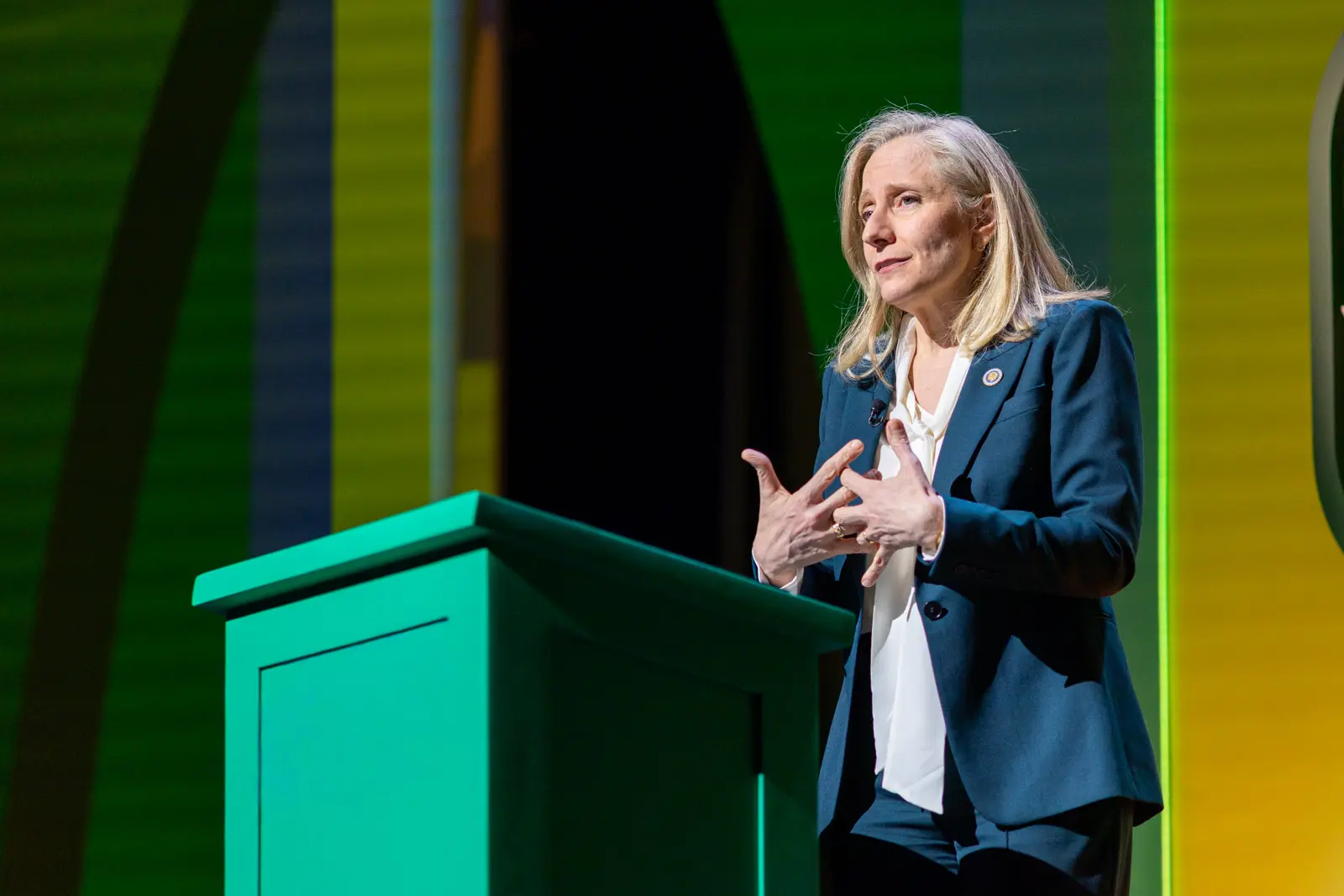
High-visibility speakers deserve more than a tight podium crop. For planners, the image also needs to communicate authority, room context, production quality, and the seriousness of the program without feeling staged or disruptive.

After The Event: Photos Become Communications Assets
The real value of conference photography often appears after the event. Photos support LinkedIn updates, sponsor recaps, board reports, newsletters, website updates, annual reports, future event promotion, and internal communications. For teams planning communications around fast recaps, this connects directly to how fast event photos should be delivered after a DC event.
That is why delivery structure matters. A gallery should be curated, organized, and easy for a busy team to use. Images should help the client move faster, not create another sorting project.
Common Mistakes Planners Should Avoid
The biggest mistake is treating photography as a last-minute vendor task. If the photographer does not know the agenda, VIPs, sponsor obligations, room flow, or post-event needs, the gallery may miss the moments that actually matter.
The second mistake is asking only for quantity. A larger gallery is not always a better gallery. A useful conference gallery is intentional, organized, and aligned with the client team's communication goals. If budget is part of the planning conversation, review how corporate event photography pricing in Washington DC is usually structured.
conference photographer Washington DC Planning Checklist
- Use a conference photographer Washington DC plan that starts with the run-of-show, not only a call time.
- Ask your conference photographer Washington DC team how highlight images will be selected and delivered.
- Make sure the conference photographer Washington DC coverage includes sponsor, audience, and communications needs.
When a planner evaluates a conference photographer Washington DC search result, the page should quickly prove local experience, planning discipline, and delivery confidence. This conference photographer Washington DC guide is structured to answer that exact buyer concern while pointing readers toward District Pixel's event coverage process.
The reason the phrase conference photographer Washington DC matters here is simple: the buyer is usually looking for someone who understands local conference environments. A strong conference photographer Washington DC page should prove that experience with planning details, event examples, and useful images.
Related Resources From District Pixel
This guide connects to the main District Pixel service pages so planners can move from education to proof and inquiry: explore event photography services in Washington DC, review the District Pixel event photography portfolio, compare corporate event photography pricing, and see the Washington DC corporate event venues guide.
For broader local event context, see Events DC, the official events and convention authority for Washington DC.
Professional event coverage depends on quiet positioning, fast adjustments, and awareness of the room. The goal is to document the program without pulling attention away from the people, speakers, and guest experience the planner worked hard to create.
How This Connects To District Pixel
District Pixel works with organizations that need photography to do more than document a moment. The images need to support communications, marketing, reputation, stakeholder updates, and future business development.
For teams planning this type of work, the next step is to review the full District Pixel event photography service page.
Buyer Intent: What Planners Are Really Looking For
A planner searching for a conference photographer Washington DC is usually trying to reduce risk. The right page should make the decision easier by proving three things fast: the photographer understands formal DC rooms, the event day has a clear coverage plan, and the final gallery will become useful communications content after the program ends.
Can you handle the room?
DC conferences may include board members, donors, executives, sponsors, policy groups, or public-facing speakers. The photographer needs calm movement, low disruption, and awareness of who cannot be missed.
Will you capture what matters?
A useful plan includes the run-of-show, keynote timing, panels, sponsor visibility, room scale, networking, details, and any same-day image needs for communications teams.
Will the gallery save time?
The strongest delivery is curated and organized so the client can quickly find speaker images, wide room shots, sponsor moments, LinkedIn assets, and recap visuals.
Conference Photography Timeline
Plan The Visual Priorities
Review the agenda, VIPs, room flow, sponsor obligations, delivery needs, and any sensitive usage restrictions before event day.
Capture Context First
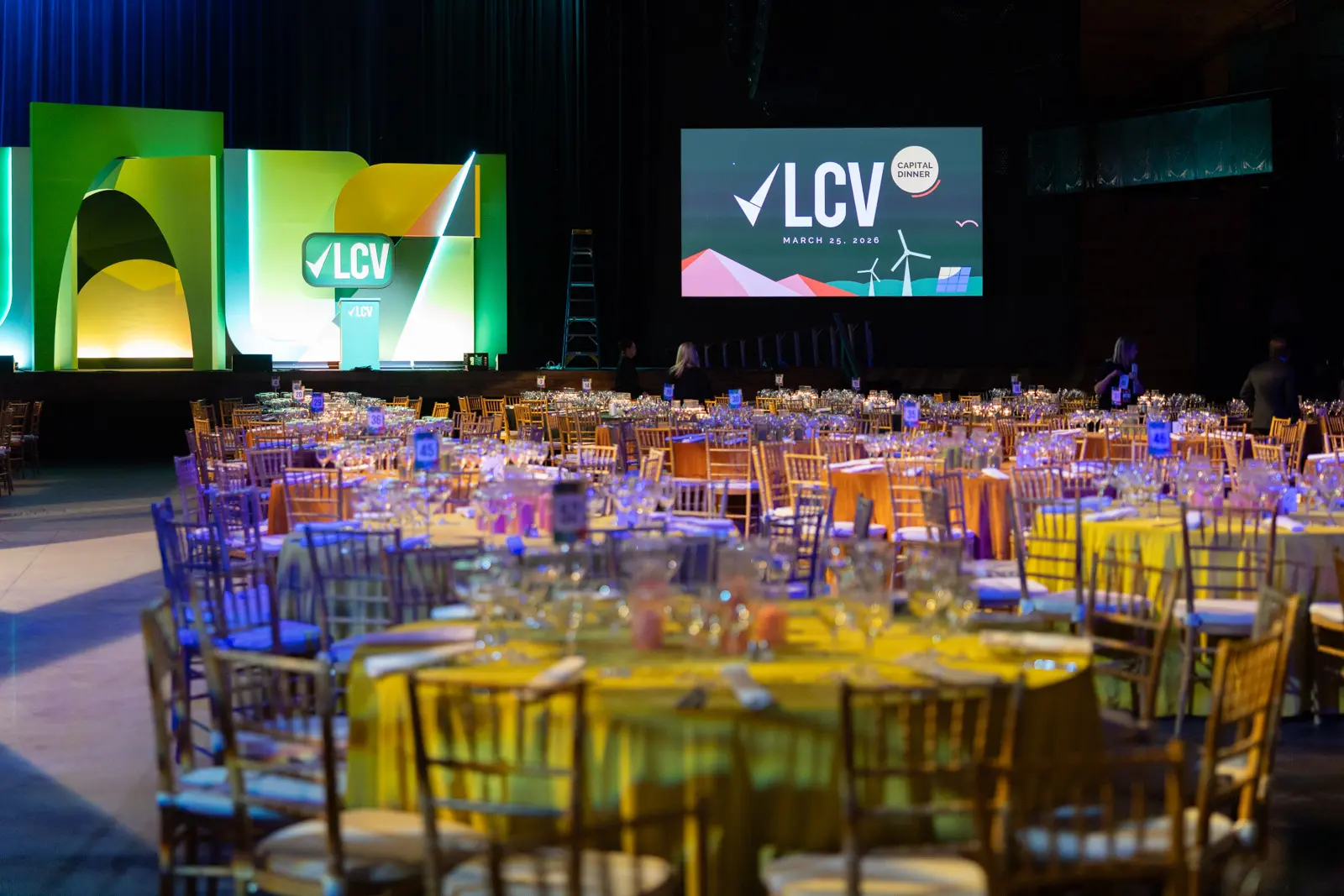
Document signage, registration, venue details, branded moments, room setup, and the atmosphere before the program gets busy.
Protect The Key Moments
Cover speakers, panels, audience reactions, sponsor visibility, networking, awards, and leadership moments with clean timing.
Deliver Working Assets
Organize the gallery for recaps, LinkedIn, newsletters, sponsor reporting, internal updates, and future event promotion.
How This Helps Your Planning Team
One event becomes a visual content library.
- Leadership sees proof that the event looked credible, attended, and professionally managed.
- Communications teams get images they can use without sorting through a messy folder.
- Sponsors, speakers, and internal stakeholders receive visuals that support their own recap needs.
Planner Resource Stack
The most useful conference photography content should work like a planning tool. These resources turn the article into something a professional planner can scan, share with a communications director, and use before the first vendor call.
Vendor Confidence Scorecard
Content Use Flywheel
Conference Coverage Map
Room Proof
Wide room images, attendance, production scale, branded stage, and venue context.
People Proof
Speakers, panels, audience reactions, executive moments, VIPs, and networking.
Sponsor Proof
Step-and-repeat, signage, activations, partner moments, and report-friendly images.
Content Proof
Images that become LinkedIn posts, newsletters, recaps, proposals, and future event assets.
Visual Proof From Conference And Event Coverage
A strong conference gallery should show more than one highlight image. It should prove the scale of the room, the quality of the speakers, the energy of the audience, the sponsor value, the networking moments, and the details that help a communications team tell the story afterward.