
Most photography problems at Washington DC corporate events do not happen on the day of the event. They happen weeks or months before it, during the booking process, when decisions get made quickly and details get skipped.
These are the mistakes I see most consistently as a corporate event photographer working across DC, Capitol Hill, Arlington, and Alexandria. Some are easy to avoid once you know to look for them. Others feel minor at the time and become significant problems when the gallery arrives and the images are not what the communications team needed.

Mistake 1: Booking Too Late for Peak DC Event Season
Washington DC runs two distinct corporate event seasons: spring, roughly April through June, and fall, roughly September through November. During those windows, experienced corporate event photographers are booked weeks or months in advance. Associations are running their annual conferences. Nonprofits are holding their flagship galas. Government-adjacent organizations are convening their policy summits. The calendar fills up fast.
Booking 4 to 8 weeks out is workable for most events. For high-profile galas, multi-day conferences, or events that fall in September and October, 2 to 4 months of lead time is the safer standard. A last-minute booking means settling for whoever is available, not whoever is right for the event.
Mistake 2: Choosing Based on Price Rather Than Deliverables
Two photographers can quote a similar rate and deliver completely different results. One delivers a disorganized folder of 600 raw-looking files five days after the event. The other delivers an organized gallery of 400 polished, color-corrected images within 24 hours, segmented by event section and ready for immediate use across every communications channel.
The comparison that matters is not the rate. It is the portfolio quality, the delivery timeline, the gallery organization, the usage rights, and the level of preparation the photographer brings to each engagement. A higher rate from a specialist often costs less in the long run than a lower rate from a generalist whose images need rework or whose delivery misses the communications window.
Mistake 3: Not Sharing the Run of Show in Advance
The run of show is the photographer's roadmap. Without it, they cannot build a shot list tied to your agenda. They do not know when the award presentations happen, which breakout sessions are highest priority, when VIPs are arriving, or what sponsor moments need to be covered. They are reacting instead of anticipating, and event photography that relies on reaction misses the moments that matter most.
Sending the run of show 48 hours before the event is the professional standard. A detailed document makes a meaningful difference in what the gallery contains and how well it reflects the actual priorities of the event.
Mistake 4: Assuming One Photographer Can Cover Everything
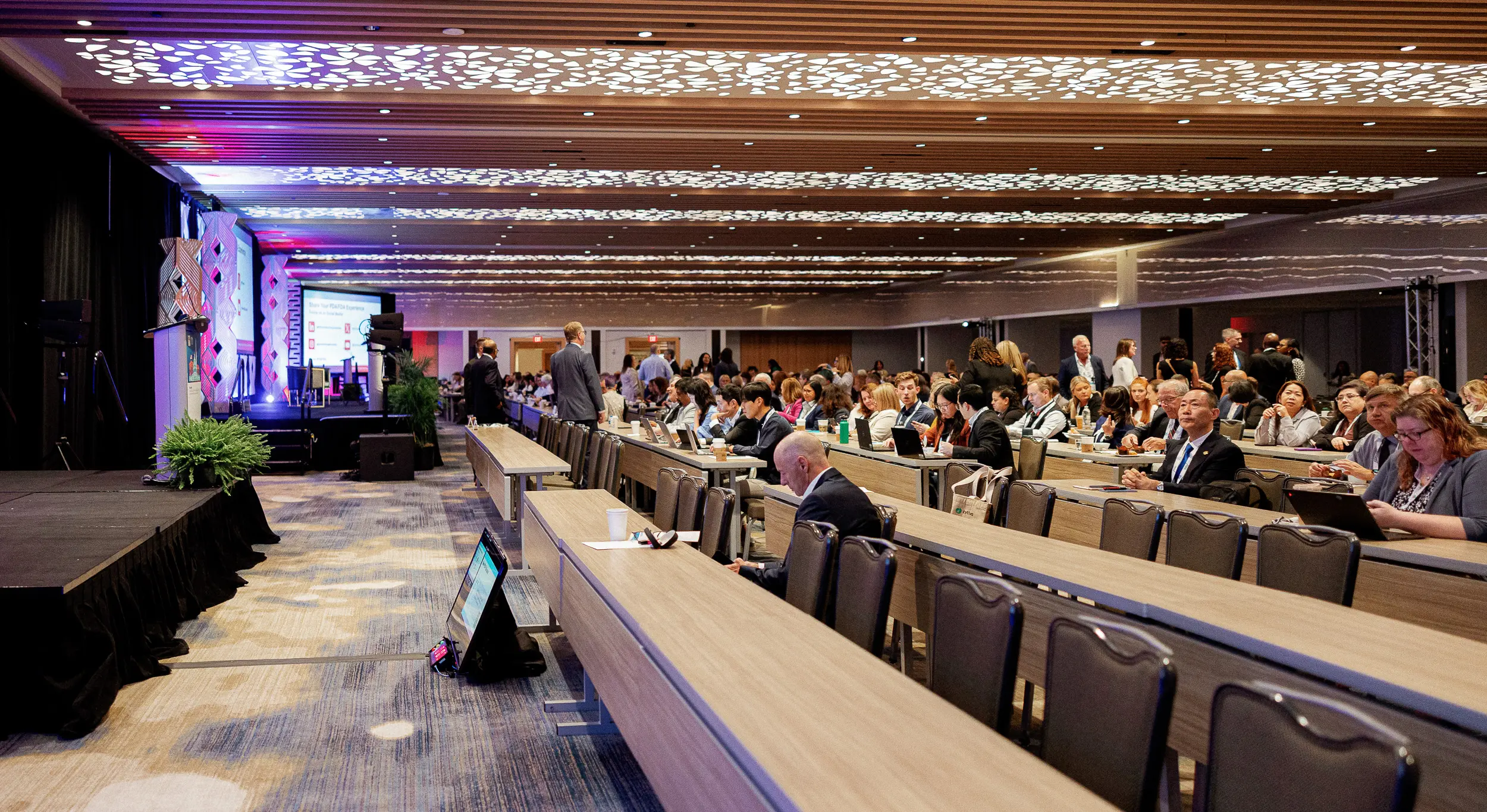
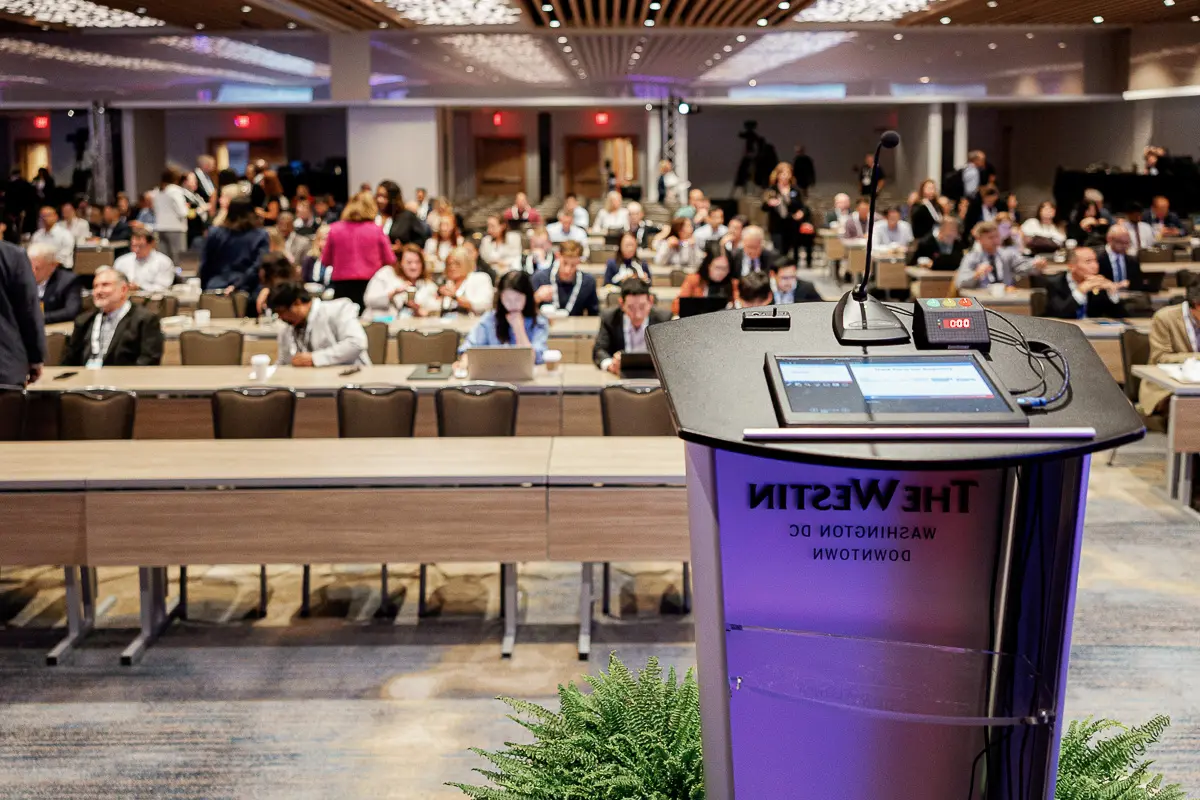
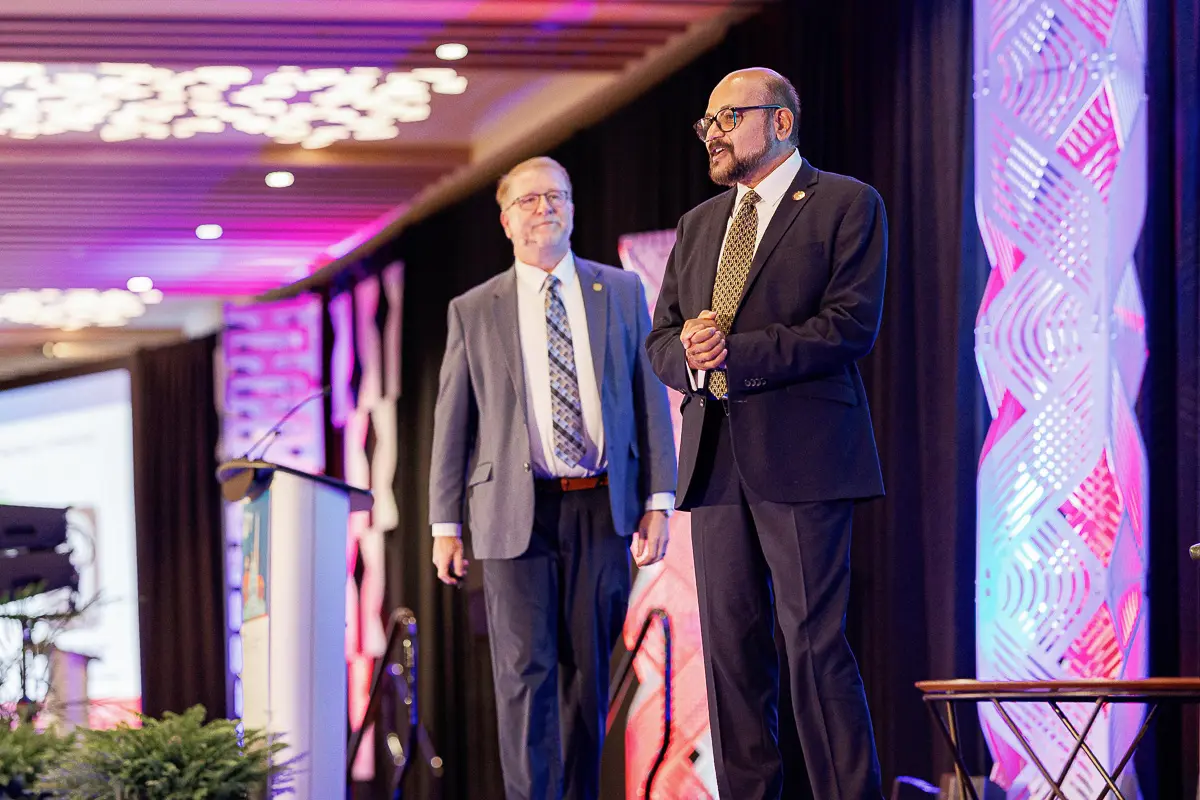
One skilled photographer can cover a single-track event well. They can be in the right room at the right time because there is only one room and one timeline. For multi-room conferences with concurrent breakout sessions, separate networking areas, simultaneous sponsor activations, and a general session running in the main ballroom, one photographer cannot be in multiple places at the same time.
If your conference has two or more concurrent sessions that all need coverage, or if your event runs across multiple rooms where important moments happen simultaneously, a second photographer is not a luxury. It is the difference between coverage and gaps.

Mistake 5: Skipping the Usage Rights Conversation
Usage rights should be confirmed before you sign the contract, not after you receive the gallery. A corporate event photography client needs images for press releases, LinkedIn, the organization's website, internal communications, annual reports, marketing materials, and future event promotion. All of that falls under commercial use.
Some photographers quote a base rate that covers personal or limited use and charge separately for commercial rights. That is a legitimate business model, but it needs to be transparent from the start. Ask specifically: does this quote include full commercial usage rights for all of the channels we use, with no additional fees? The answer should be a clear yes.


Mistake 6: Not Asking About Backup Equipment
Camera equipment fails. Memory cards corrupt. Batteries die at the wrong moment. A professional corporate event photographer brings backup equipment to every engagement, not because they expect problems, but because there is no acceptable alternative when a problem occurs at a 400-person conference with no opportunity to reschedule.
The standard is a backup camera body, backup lenses, multiple memory cards, and dual card recording when the camera supports it. If a photographer does not have a clear backup plan when you ask, that is not the right photographer for an event where there is no second chance.

Mistake 7: Waiting Until After the Event to Discuss Delivery Format
The delivery conversation should happen before the event, ideally at the time of booking. Your communications team needs to know when the images will arrive, how they will be organized, and in what format. If the press release needs images by 9 AM the following morning, that needs to be confirmed in advance, not requested the night of the event.
A professional corporate event photographer should ask about your delivery requirements. If they do not ask, you should tell them. Specify the timeline, the file format you need, whether you want images organized by event segment, and whether you need a same-evening priority selection for urgent press or social use.
How District Pixel handles this: We confirm delivery requirements at booking, not after. Standard delivery is a complete, organized gallery within 24 hours. For same-day press needs, we offer a priority selection of key images the same evening. Galleries are segmented by event section and delivered at both print and web resolution.
What Getting This Right Looks Like in Practice
The events that produce the strongest galleries share a few things in common. The photographer was booked with enough lead time to prepare properly. The run of show arrived 48 hours before the event. The coverage scope matched the actual event format. Usage rights were confirmed upfront. The delivery timeline was agreed on at booking.
None of those things require a bigger budget or more time. They require a clear process and a photographer who asks the right questions before they show up. When the booking process is handled well, the day itself runs more smoothly and the gallery reflects the actual priorities of the event rather than what the photographer happened to capture.
For more on evaluating photographers before you book, read our guide on how to choose a corporate event photographer in Washington DC. For context on what a realistic delivery timeline looks like, see our breakdown of corporate event photo delivery standards in Washington DC.

Planning a corporate event in Washington DC?
District Pixel works with event planners, communications teams, and marketing directors across DC, Capitol Hill, Arlington, and Alexandria. We handle the preparation so the day runs smoothly and the gallery is ready when you need it.
Start Planning