
I understand why price becomes the first thing people compare. You have a real event budget, a long list of vendors, a team asking for numbers, and probably three other things happening at the same time. So yes, the quote matters.
But event photography is one of those services where the lowest number does not always explain what you are actually buying. Sometimes a lower quote is perfectly fine for a simple event. Sometimes it is a clue that important things are missing. The tricky part is knowing the difference before the event is over, because after the event, you cannot recreate the room, the speaker, the award moment, the sponsor interaction, or the feeling of the day.
Choose the quote you understand, not just the quote that is lowest. A good event photography quote should make the scope, delivery, usage, preparation, and backup plan feel clear.
This is not a dramatic warning about never hiring an affordable photographer. Everybody starts somewhere. I started somewhere too. This is simply a friendly guide for corporate teams, associations, nonprofits, and planners in Washington DC who want to make a smart decision without getting sold to.
A lower quote is not automatically a bad quote
Let us start there, because it keeps the conversation honest. A newer photographer may charge less while building a portfolio. A smaller event may not need a large production plan. A simple internal happy hour has a different level of pressure than a national association conference, a gala, or an executive event with sponsors and press visibility.
The issue is not the number by itself. The issue is whether the number matches the stakes of the event. If the photos will only live in a small internal recap, the risk is different. If the photos will support your LinkedIn strategy, sponsor report, annual report, press release, recruiting content, next year's event marketing, or executive communications, the decision becomes more important.
That is where price-only thinking gets a little dangerous. It can make two quotes look similar when they are not similar at all.
What you are really buying on event day
Great event photography is not only about pressing the shutter. It is the ability to read a room, anticipate moments, move calmly through a crowd, work around a run of show, protect the important moments, and still make people feel comfortable.
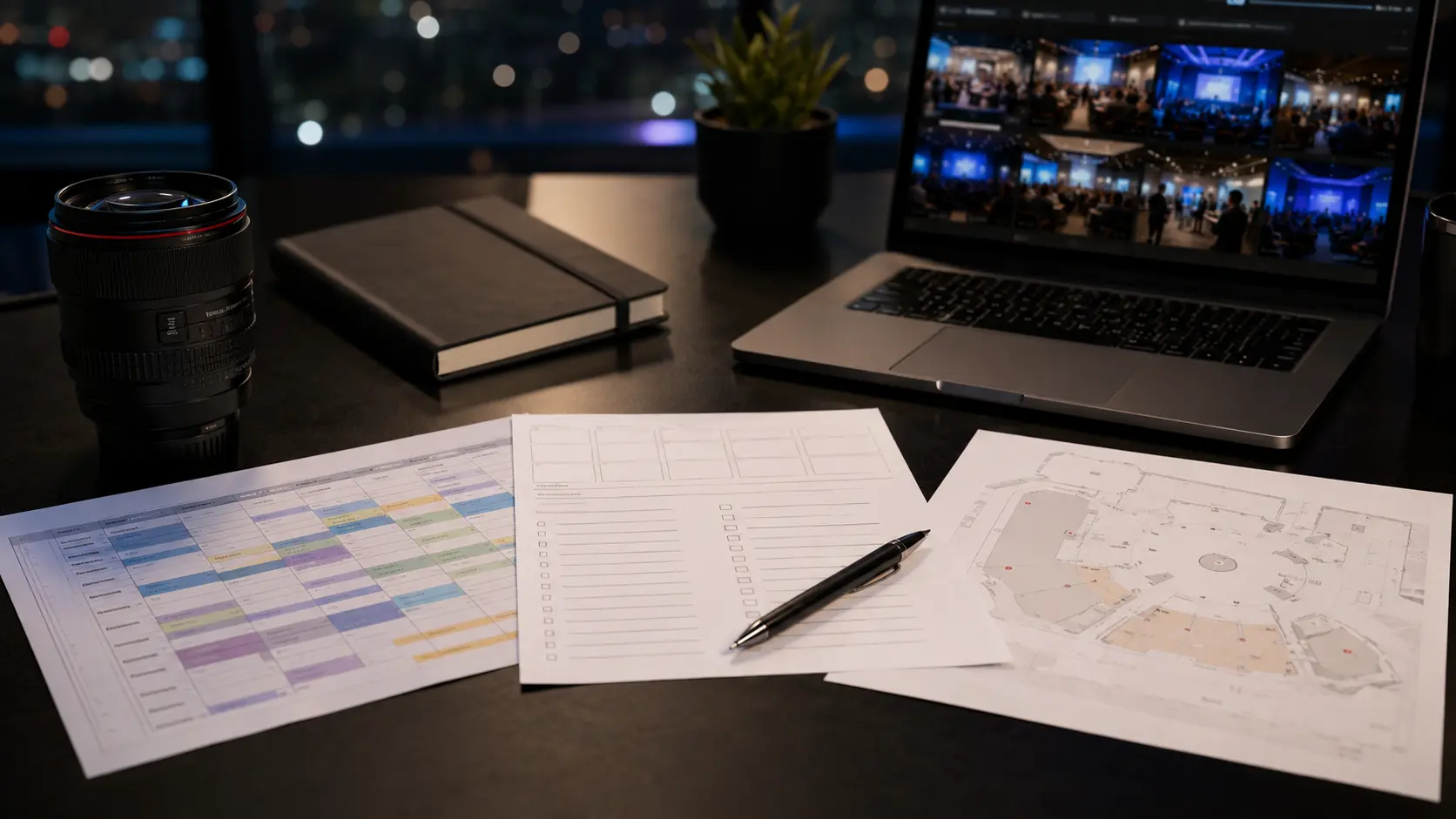
A plan before the room fills
The photographer should understand the schedule, VIPs, must-have moments, sponsor needs, venue conditions, and how the final gallery will be used.
Calm energy in the room
Corporate events need someone who can be warm with guests, fast with decisions, and invisible when the moment calls for quiet professionalism.
Backup systems matter
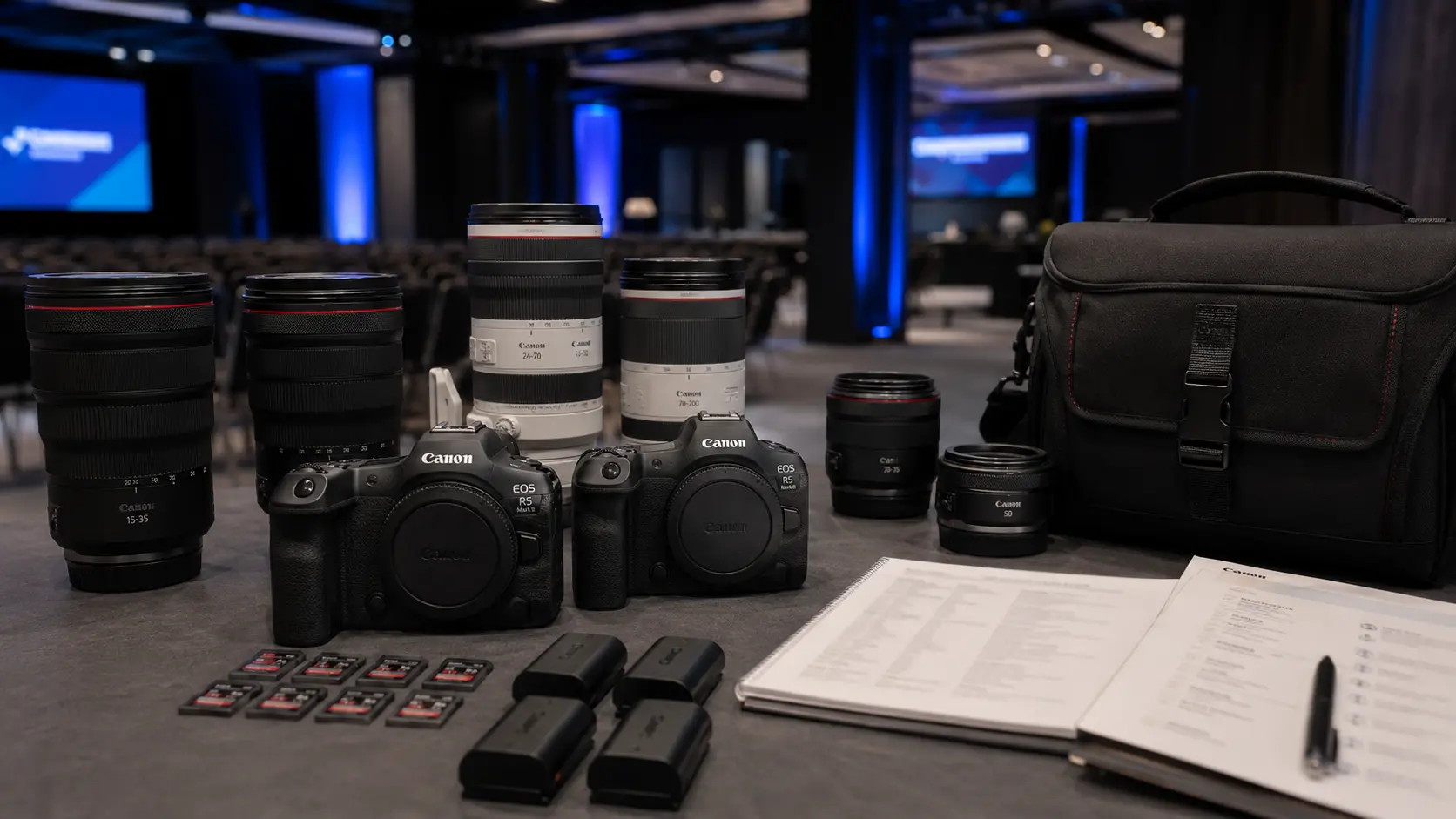
Professional cameras, backup bodies, extra lenses, memory cards, batteries, insurance, and a delivery workflow are part of what makes the day safer.
The gallery has a job
The photos should arrive polished, organized, and ready for the channels your team actually uses: web, social, press, sponsors, reports, and recaps.
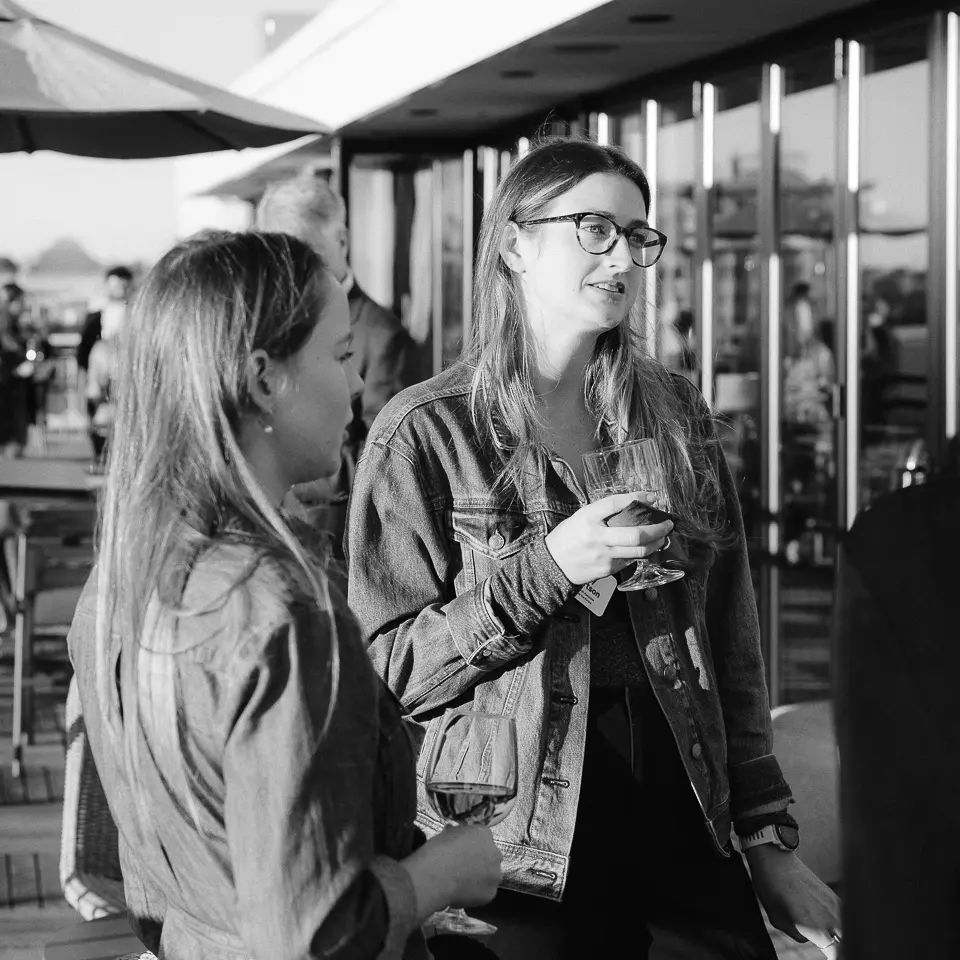
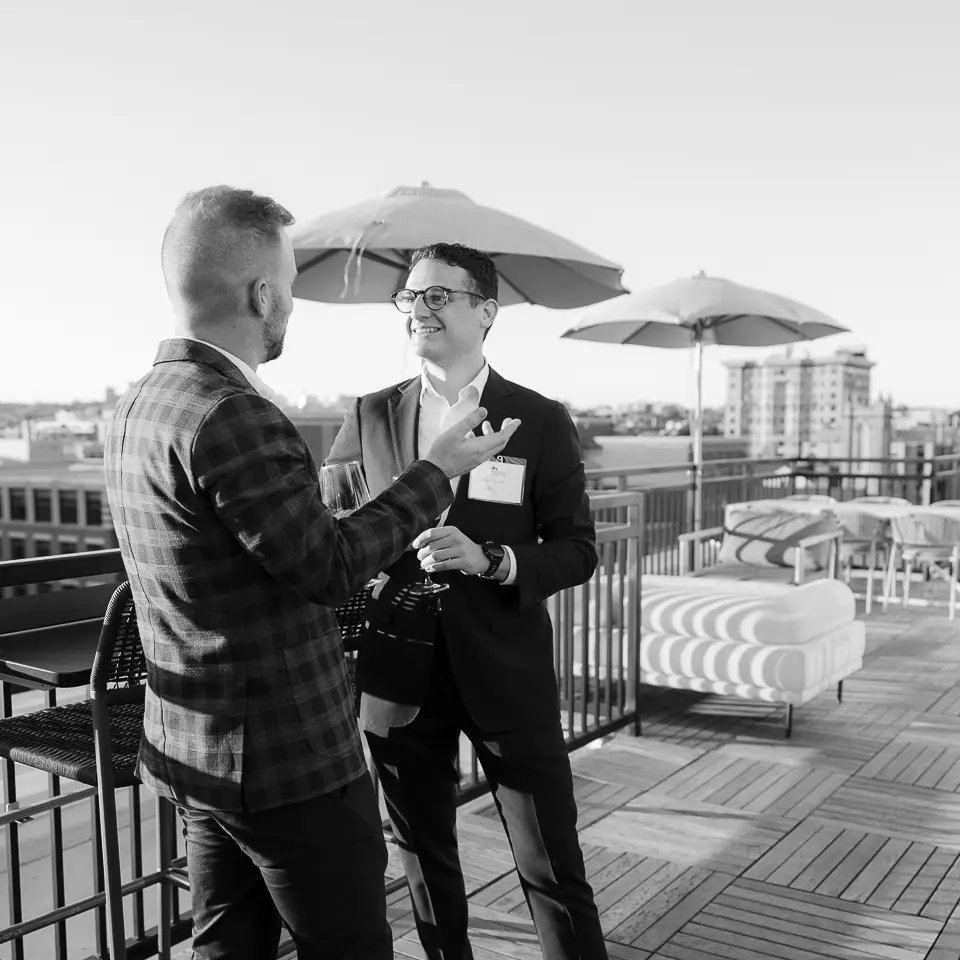
That mix of preparation, technical quality, and human ease is a big part of how District Pixel works. I care a lot about the final images, of course. But I also care about how people feel while I am working. I am Latino, I am based here in DC, and a big part of my personality is warmth with momentum: friendly, calm, fast, and focused on making the day easier for everyone in the room.
Clients often tell me they enjoy working with me because I keep things moving without making the room feel stiff. That matters. It is not a luxury detail. It affects how relaxed people look, how naturally the moments happen, and how smoothly the event team can keep doing their job.
Where price-only decisions usually break
The problem with choosing only by price is that the missing pieces usually do not show up on the invoice. They show up later.
- Unclear delivery: you get a vague promise instead of a real timeline for sneak peeks, full gallery delivery, and file formats.
- Weak low-light performance: the room looks flat, noisy, or orange because event lighting was harder than expected.
- No backup plan: one camera, one lens, one card, one person, and no margin if something fails.
- Awkward guest experience: the photographer may take technically fine photos but not create the kind of comfortable energy that helps people look natural.
- No usage clarity: your team is not sure whether the images can be used for ads, sponsors, LinkedIn, press, or future marketing.
- Poor gallery organization: the images arrive, but your team has to dig for speakers, candids, sponsor moments, room views, and executive photos.
None of this means the most expensive quote is automatically the best one. It means the best quote is the one where the photographer can clearly explain what is included and why it matters.
How to compare event photography quotes without making it weird
You do not need to turn the buying process into an interrogation. Just ask practical questions. Good photographers should be able to answer them clearly and kindly.
- Have you photographed events similar to ours in size, venue type, and lighting?
- What exactly is included in the quote?
- When do we receive a preview gallery and the final gallery?
- Are commercial usage rights included?
- Do you bring backup camera bodies, lenses, batteries, and memory cards?
- How will the gallery be organized for our team after the event?
- If we need images for sponsors, LinkedIn, press, or a recap, how do you plan for that?
Those questions give you a better comparison than price alone. They also help you see who is thinking like a partner and who is only quoting hours.
Sometimes the smarter answer is a smaller scope
If the budget is real, say that. I respect a direct budget conversation. What I do not love is pretending every event needs the same level of coverage, because that is not true either.
A focused three-hour scope with a clear shot list can be better than stretching a weak plan across the whole evening. For some events, the must-have images are the reception, the keynote, a few sponsor moments, and executive candids. For others, the event needs a full-day plan, breakout coverage, fast selects, and a more detailed delivery workflow.
The right question is not, "Can this be cheaper?" The better question is, "What coverage will actually support what we need to do after the event?" That is a much more useful conversation, and honestly, a much more human one.
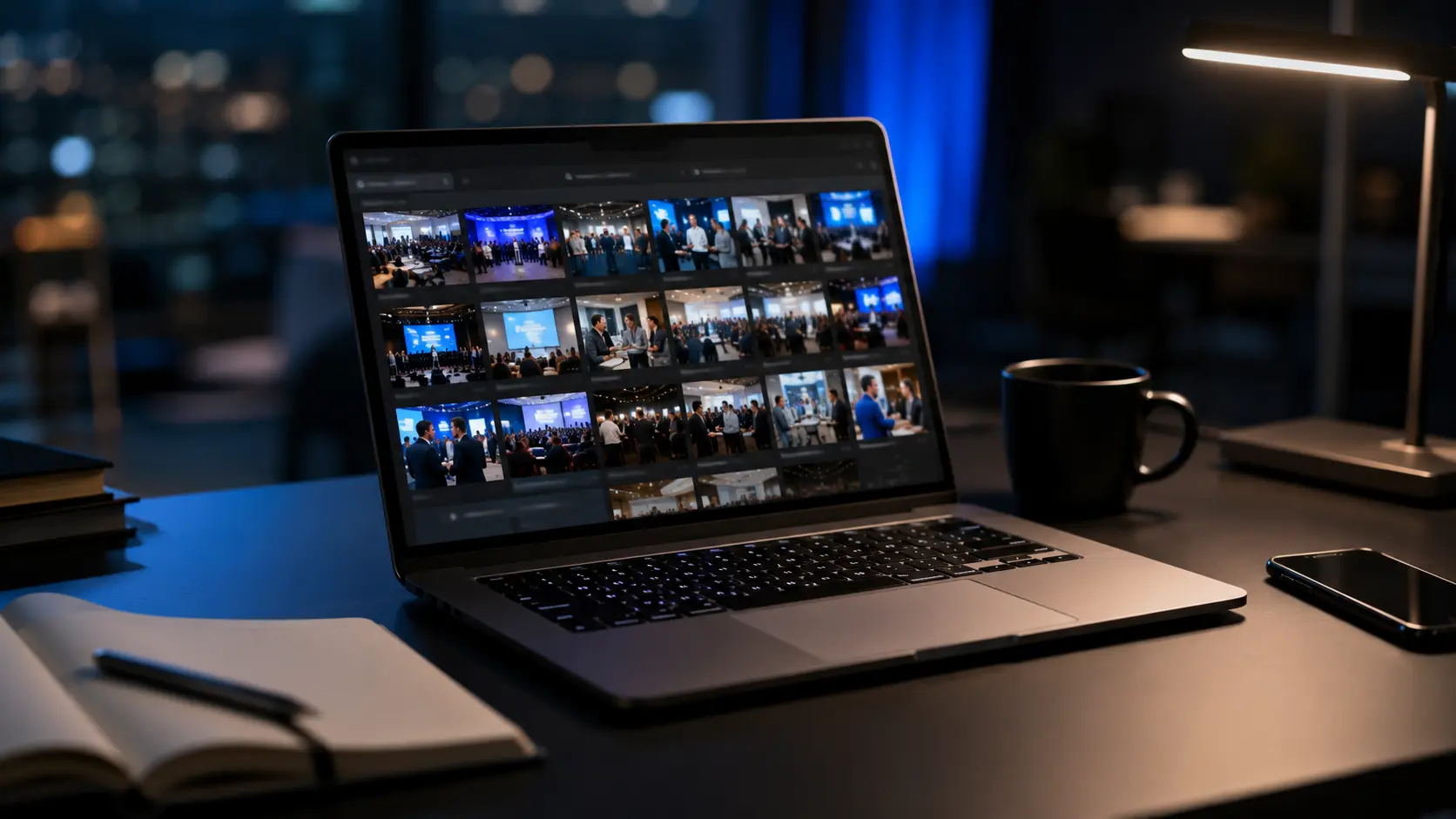
The photos are not just memories. They are business assets.
This is where I think District Pixel is going long term, and it is also where I think smart companies are already paying attention. Event photography is not just documentation. It is part of your event marketing system.
A strong gallery can support your recap blog, LinkedIn posts, sponsor thank-you notes, internal communications, press outreach, next year's registration push, and sales conversations with future partners. That is why I care so much about the images being beautiful, useful, organized, and delivered quickly. The gallery should not sit in a folder and disappear. It should keep working.
If you are planning a corporate event, start with our Event Photography service page. If you are an event planner or production team building a larger relationship, the best next step is Work With Us. And if you want more context on pricing, this pairs well with our guide on what corporate event photography actually costs in Washington DC.

Compare the scope, not just the number.
Tell me what you are planning, what the photos need to support, and what budget range is realistic. I will help you think through the coverage clearly.
Start the Conversation