

Let me be upfront about something: I am a photographer writing about photography pricing, which means you should read this with that context in mind. I am not going to pretend to be a neutral third party here. What I am going to do is be as transparent as I possibly can about what professional event photography actually costs in Washington DC, where that money goes, and how to think about it before you make a decision.
I have been photographing corporate events, galas, conferences, and association gatherings in DC since 2019. I started District Pixel from scratch, built the business while learning the market, and I have had every version of the pricing conversation with every kind of client. Nonprofits with tight budgets. Associations that have been burned by cheaper photographers before. Corporate communications teams that need to justify every line item. Law firms that want one number and no surprises.
So here is the honest version of that conversation, in writing, for anyone who wants it before they pick up the phone.
Corporate event photography in Washington DC typically costs $1,500 to $3,600 for most professional engagements, depending on coverage time, event complexity, delivery speed, and whether the event needs a second photographer. District Pixel's base rate is $450 per hour, with custom scopes for conferences, galas, association meetings, and nonprofit events.
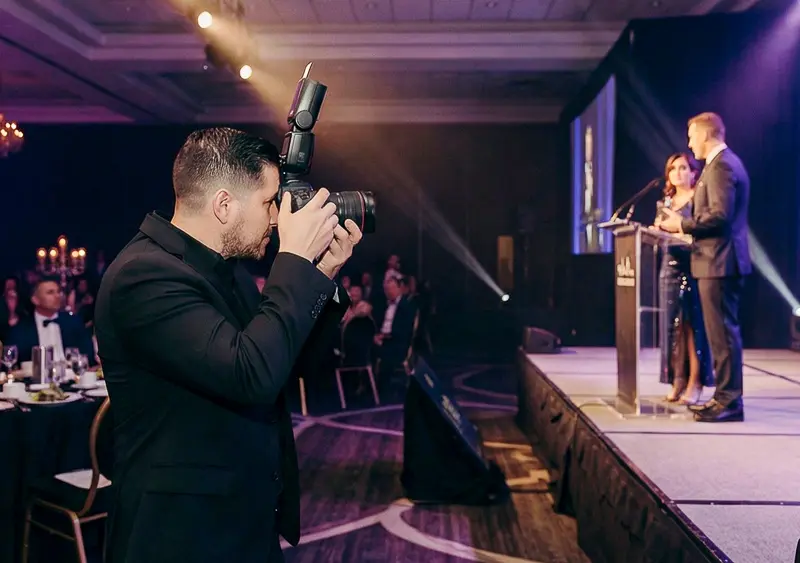
What Professional Corporate Event Photography Costs in DC: The Real Numbers
District Pixel's base rate is $450 per hour. A typical corporate event in Washington DC runs 4 hours of active coverage, which puts most standard engagements between $1,500 and $2,000 depending on the specific scope, the venue, the delivery requirements, and whether the event needs same-day priority delivery or additional services.
Larger engagements, like multi-day conferences, full association annual meetings, or galas with a pre-event reception plus a full program, are scoped and quoted based on the actual coverage plan, not a flat hourly rate multiplied by hours. A 6-hour conference at a Downtown DC hotel with 400 attendees, four concurrent breakout rooms, and a communications team that needs a gallery by 8 AM the following morning is a different job than a 4-hour gala with a single stage and a clear run of show.
These are real numbers, not a range engineered to look affordable. Every engagement is different, and we are always willing to talk through what coverage makes sense for a specific event and budget. But this gives you an honest starting point.
Where That Money Actually Goes
This is the part most photographers do not talk about publicly, probably because it feels uncomfortable to say "here is what I spend to run this business." I am going to say it anyway because I think it genuinely helps clients understand what they are paying for.
When you hire District Pixel for a corporate event in Washington DC, you are not paying for someone to show up with a camera for a few hours. You are paying for a business that has built the infrastructure to deliver professional results reliably, every time, regardless of what the day throws at it.
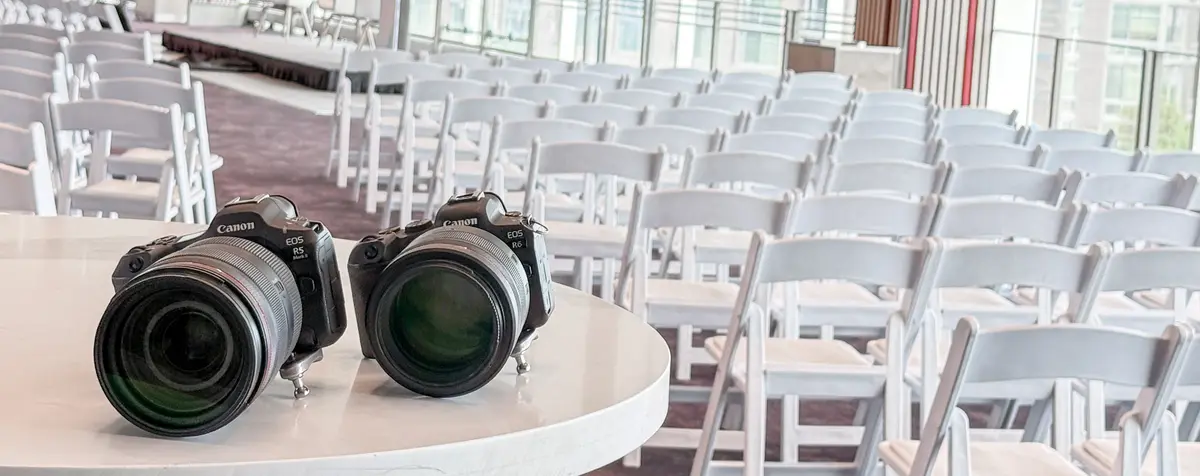
The Editing and Delivery Work Nobody Sees
I want to spend a moment on this because it is probably the least understood part of event photography pricing, even among clients who have hired photographers before.
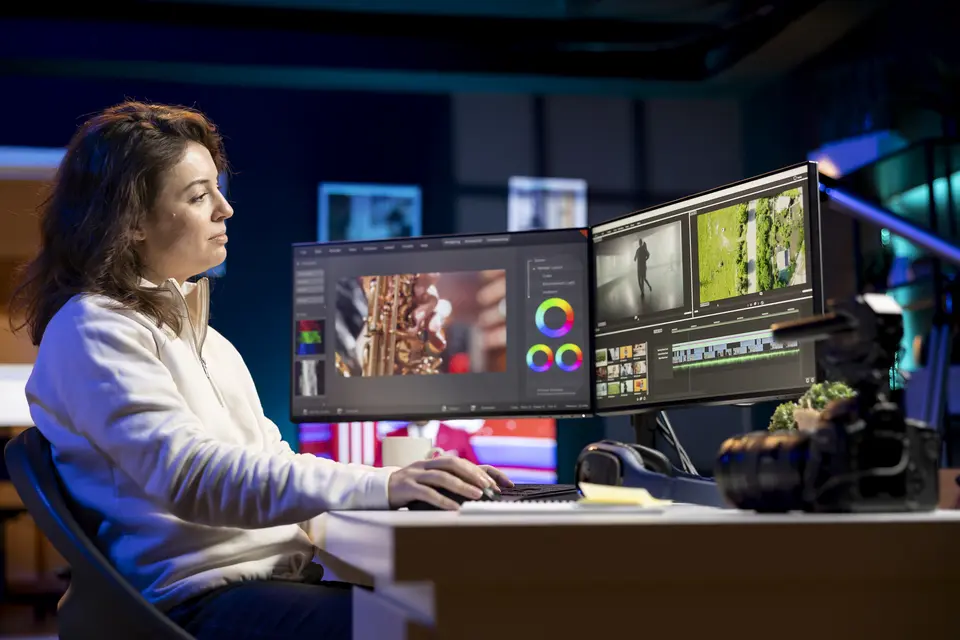
When I leave a 4-hour corporate event in Washington DC, I typically have somewhere between 600 and 900 raw image files on my cards. The event is over for the client. For me, the work is just getting started.
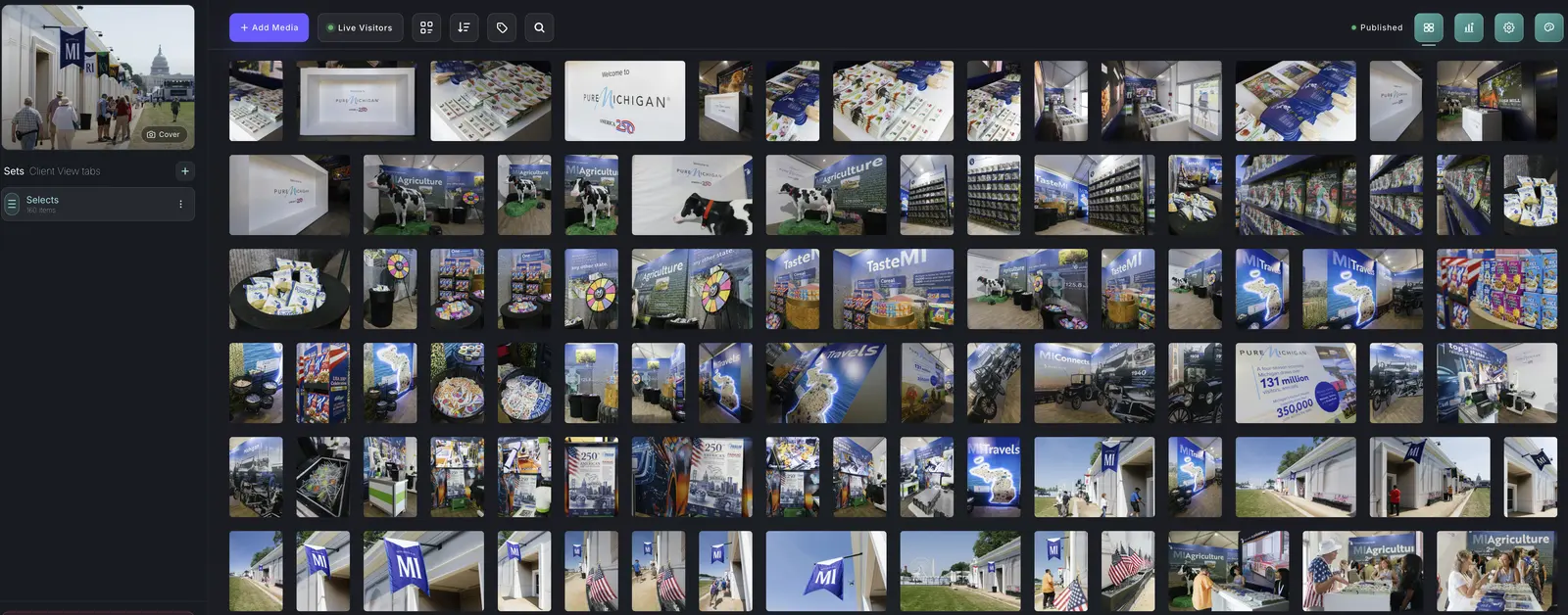
That evening, I cull the full take down to the strongest 30 to 40 percent: the frames that are technically sharp, well-exposed, and capture genuine moments. Then I edit each batch by lighting condition, because the hotel lobby at cocktail hour, the stage under event lighting during the keynote, and the dim ballroom during the candlelit awards program each require a different approach to color and exposure. Then I organize the final gallery by event segment, export at both print and web resolution, and upload to the delivery system.
For a standard 4-hour event, that post-production process takes 6 to 8 hours. You do not see it. But it is what separates a gallery that looks polished and professional from a folder of files that look like they came straight off the memory card.
A Word on Pricing in the Photography Industry Generally
Washington DC has a wide range of photographers working across every price point, and I want to be thoughtful about how I talk about this because the photography community here is exactly that: a community. I collaborate with other photographers regularly. I refer work to colleagues when I am not available. I have learned from photographers who charge more than I do and from photographers who are just starting out and finding their footing.
Every photographer prices their work according to their own experience level, business structure, cost of living, and the specific clients they are building toward. A photographer earlier in their career charging lower rates is not doing something wrong. They are building a portfolio and learning the market, the same way I did. That is how this industry works.
What I will say is this: for a high-stakes corporate event where the images go into your annual report, your donor communications, your press release, and your next year's event marketing, the consistency and reliability of the delivery matters as much as the quality of the images themselves. That reliability comes from experience, preparation, and the business infrastructure that supports it. Those things cost money to build and maintain, and they are reflected in the rate.
If you are evaluating photographers for a corporate event in Washington DC, the question worth asking is not "what is the cheapest option" but "what is the cost of this not going well." For most corporate clients, that answer is enough to justify investing in experience.
Flexibility Is Real. Here Is How It Actually Works
I mentioned earlier that pricing is flexible depending on the project, and I want to explain what that means in practice because "flexible" can sound like a negotiating tactic and I genuinely do not mean it that way.
What flexibility actually looks like at District Pixel is a conversation about scope. A nonprofit with a $1,200 photography budget for their annual gala is not the same conversation as a law firm with no budget constraint for a client reception. Both are real clients with real needs, and the question I want to answer for both of them is: what is the right coverage for what you need to accomplish?
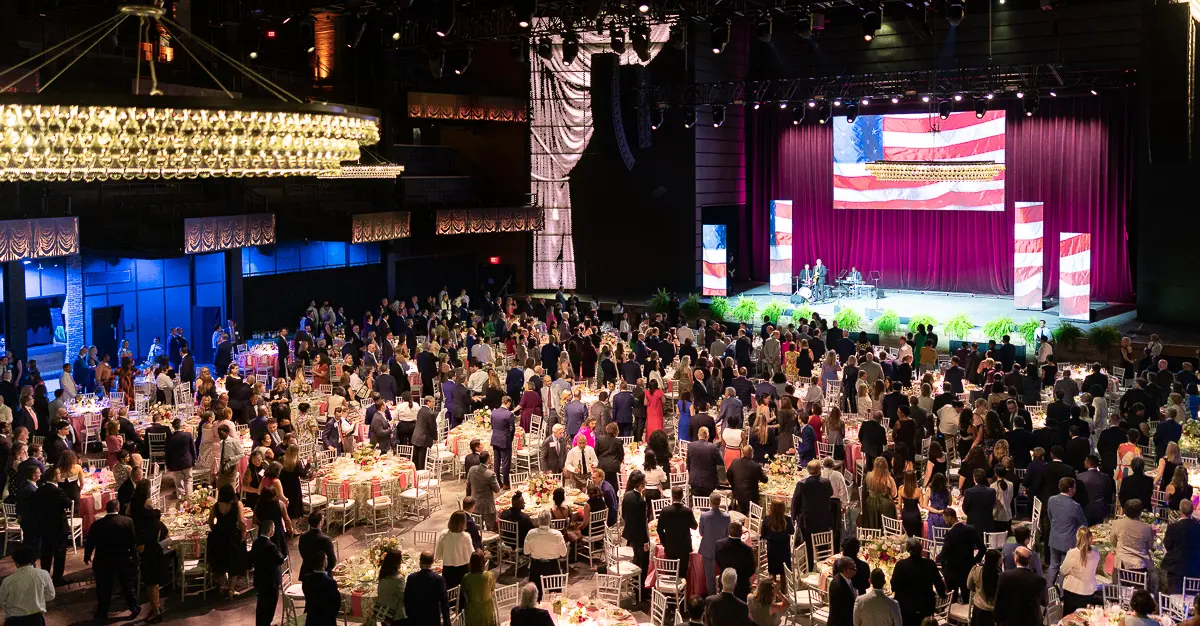
A nonprofit client came to me for their annual fundraising dinner. Their budget was tighter than a standard engagement. Instead of turning them down or discounting arbitrarily, we talked through what they actually needed from the gallery: award recipient portraits, a few room-scale shots showing attendance, key speaker moments, and candid networking images for their donor report and social media.
We scoped the coverage to match exactly that: a focused 3-hour engagement with a clear shot list and a sneak peek the same evening or next morning. The client got everything they needed. Nothing was missing from the gallery that mattered to their organization. And the rate reflected the actual scope, not a standard package applied generically.
That is what flexibility means. Not cheaper photography. Coverage that fits the real need.
How to Think About the ROI Before You Budget
One reframe that I find useful when talking to clients who are evaluating the cost is to think about the output rather than the input.
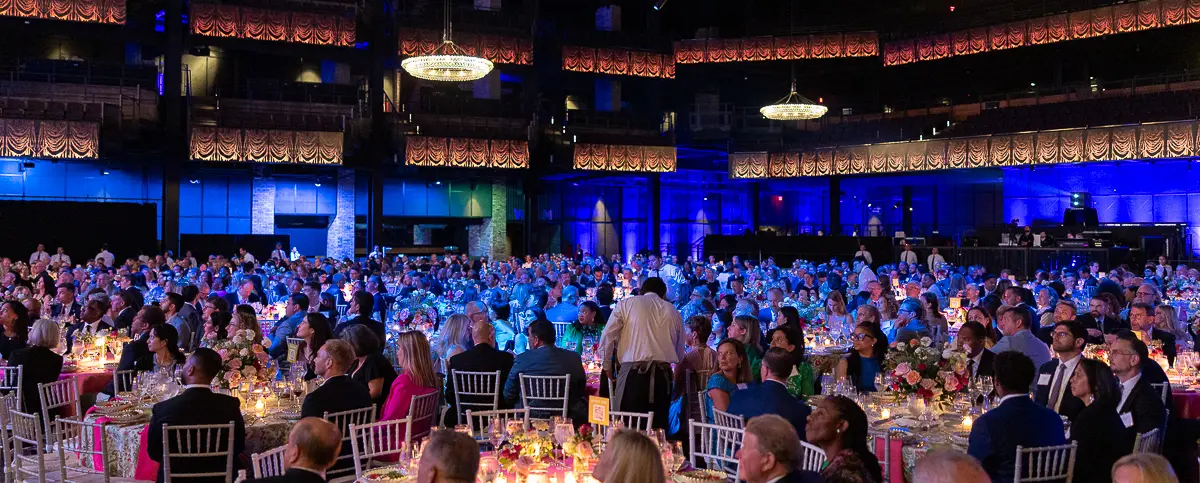
A well-photographed corporate gala or association conference is not a single-use purchase. Those images fuel your organization's visual communications for the next 12 months. The donor thank-you email that goes out Monday morning. The annual report that lands on board members' desks in Q1. The grant application that asks for photos demonstrating your work. The save-the-date for next year's event that needs a strong visual to drive early registrations. The LinkedIn posts that keep your community engaged between events. The press brief that goes to media the day after your conference.
When you divide the photography cost across every channel those images end up serving, the per-use cost drops dramatically. The question is not whether $1,800 is a lot for a few hours of photography. The question is whether $1,800 is a reasonable investment in 12 months of visual content that represents your organization at its best.
For most organizations I work with in Washington DC, the answer is straightforward. For more on how to plan photography that delivers on that ROI, read our guide on how to choose a corporate event photographer in Washington DC, and our breakdown of what professional delivery timelines look like.

Have questions about pricing before you commit?
Tell me about your event and I'll give you a straight answer about what coverage makes sense and what it costs. No pressure, no pitch. Just an honest conversation.
Get in Touch