
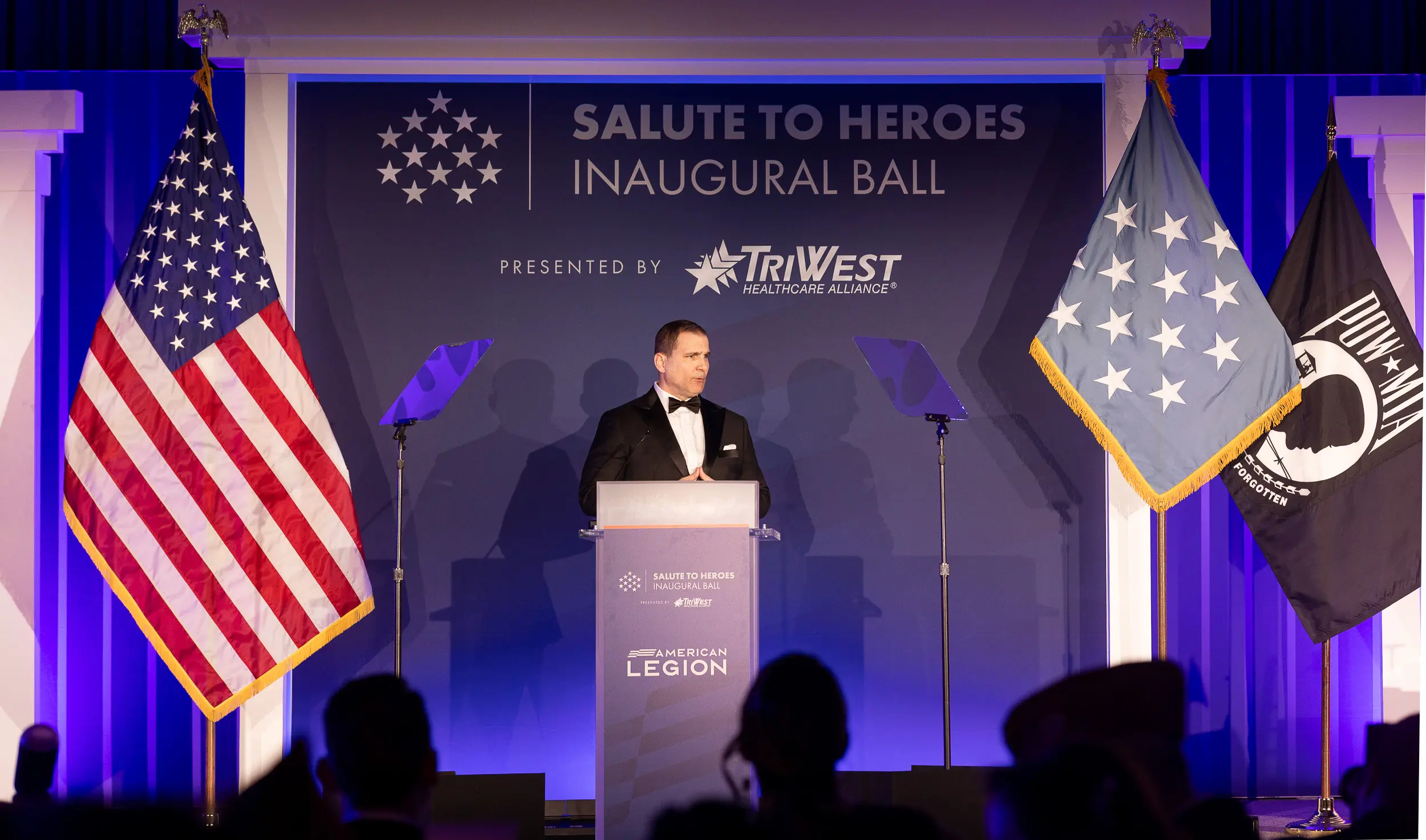
Washington DC event photography has a different job when the room includes government leaders, association executives, nonprofit stakeholders, policy teams, diplomats, sponsors, board members, and communications staff who need usable images immediately after the program ends.
For government associations and nonprofits, event photos are not just a nice record of the evening. They become press assets, annual report images, donor communications, member updates, grant materials, sponsor recaps, social content, and visual proof that the organization convenes people who matter.
That is why hiring a photographer for this kind of DC event should be treated as a communications decision, not just a vendor checkbox. The images have to be polished, accurate, discreet, organized, and delivered fast enough for the team to use while the event is still relevant.
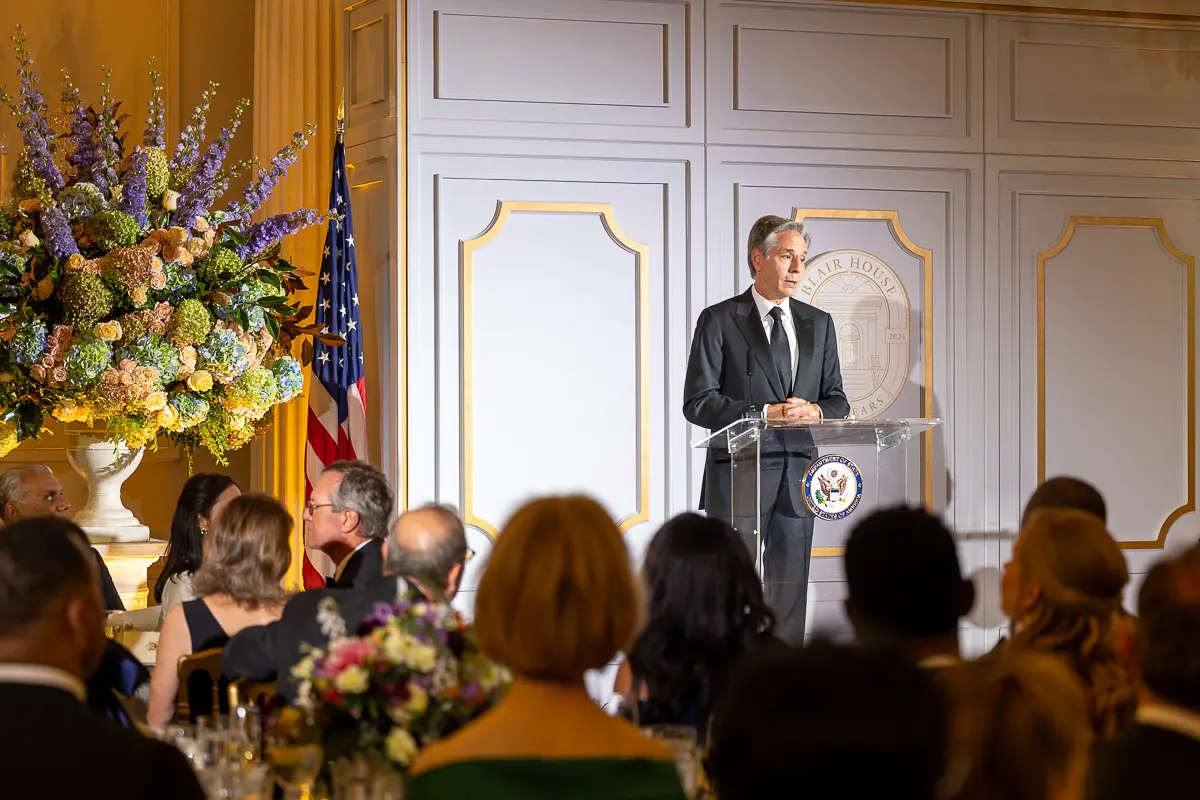
What Government, Association, and Nonprofit Event Photography Has to Deliver
A professional photographer covering a policy event, diplomatic dinner, association conference, or nonprofit gala is working from more than a visual brief. They need to understand who is important in the room, which moments are sensitive, which images are needed for public communications, and which details tell the story of the organization behind the event.
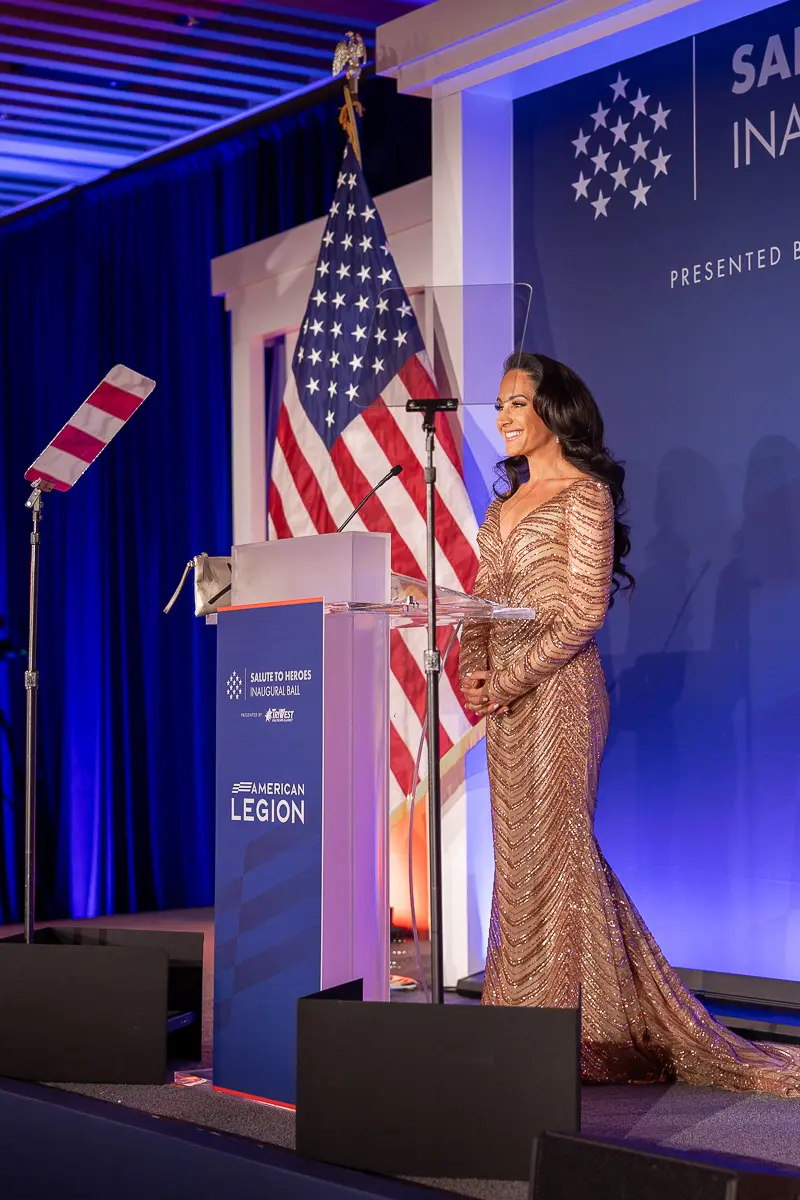
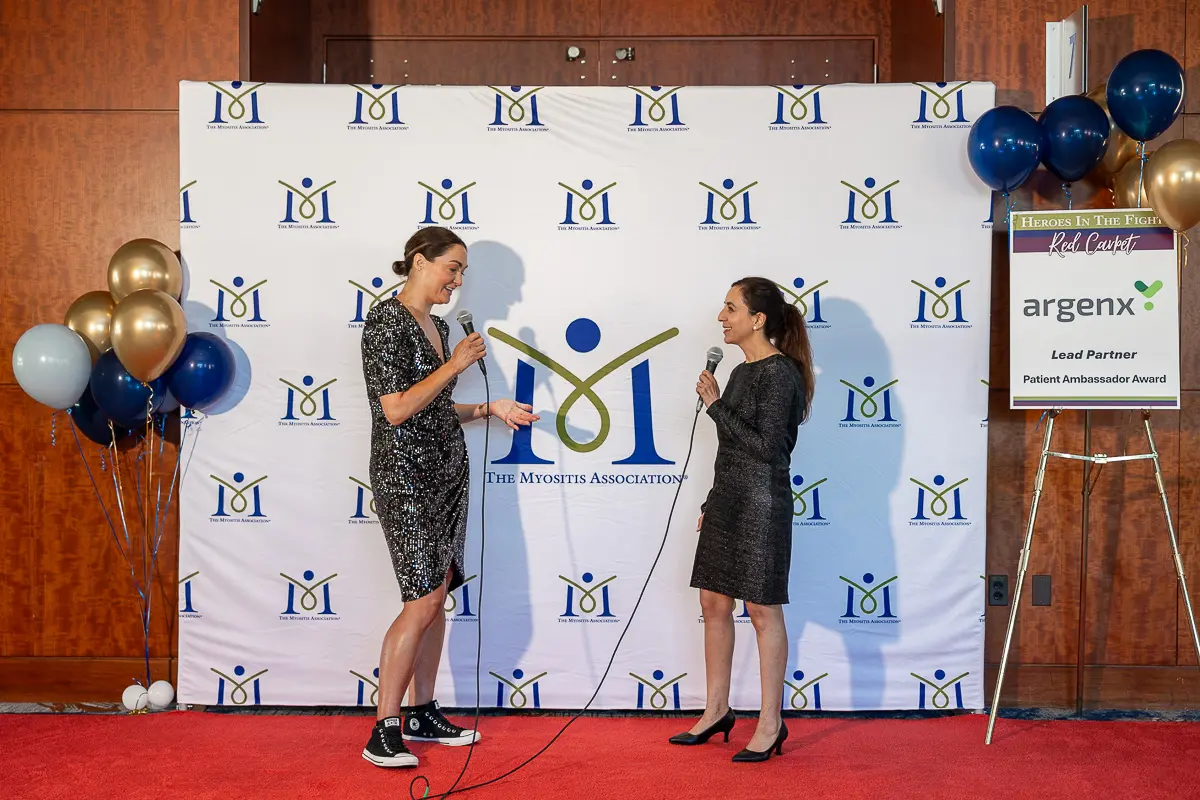
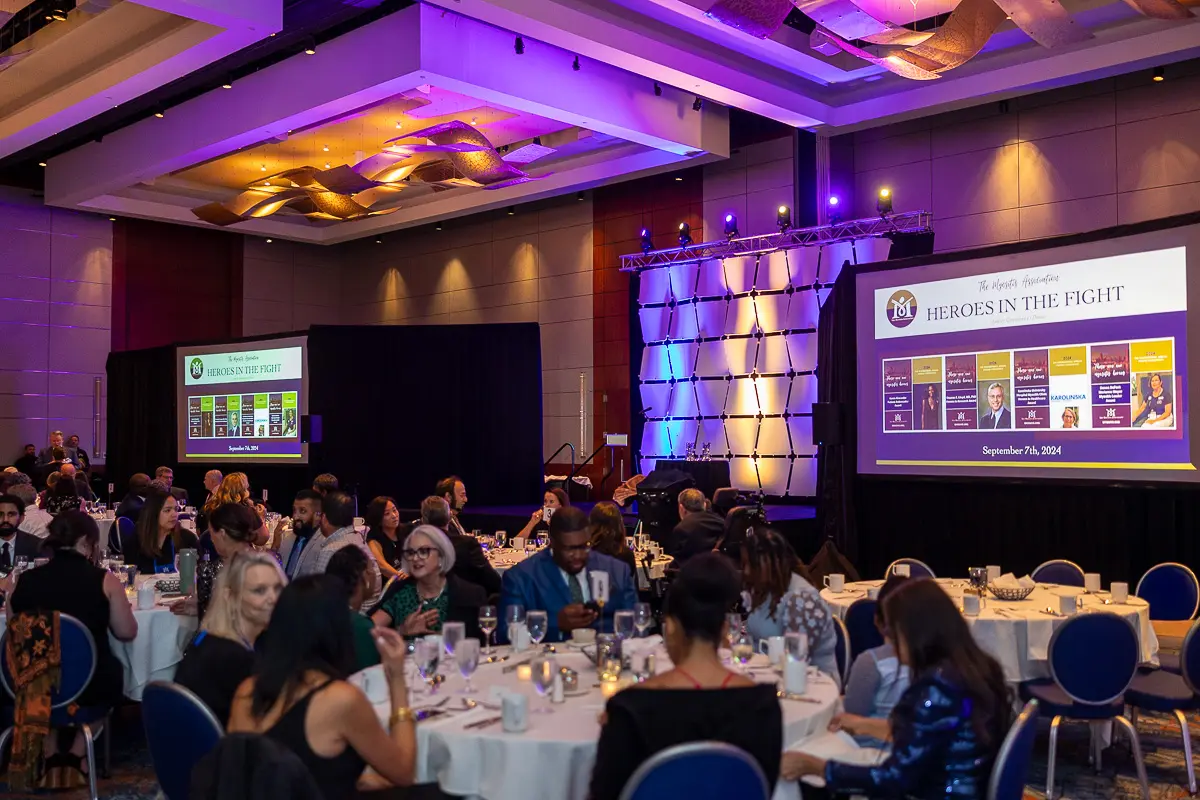
That means speaker coverage from clean angles, audience reaction, room scale, sponsor visibility, signage, event design, VIP interactions, networking, award moments, and the quiet context that gives the gallery depth. It also means knowing when to be close and when to stay invisible.
The Shot List Is Not Optional for High-Visibility DC Events
If there is one planning tool that changes the outcome of an event gallery, it is the shot list. A government association or nonprofit event often has names, organizations, sponsors, speakers, and restricted moments that cannot be guessed from the room.
Keynote speakers, panelists, moderators, award recipients, board members, executive leadership, sponsor signage, podium branding, room-wide attendance images, VIP arrivals, reception candids, networking moments, step-and-repeat groups, and any restricted or off-record sessions the photographer should avoid.
That list does not slow the photographer down. It gives them the map they need to move with purpose.
Why Setup, Signage, and Context Matter
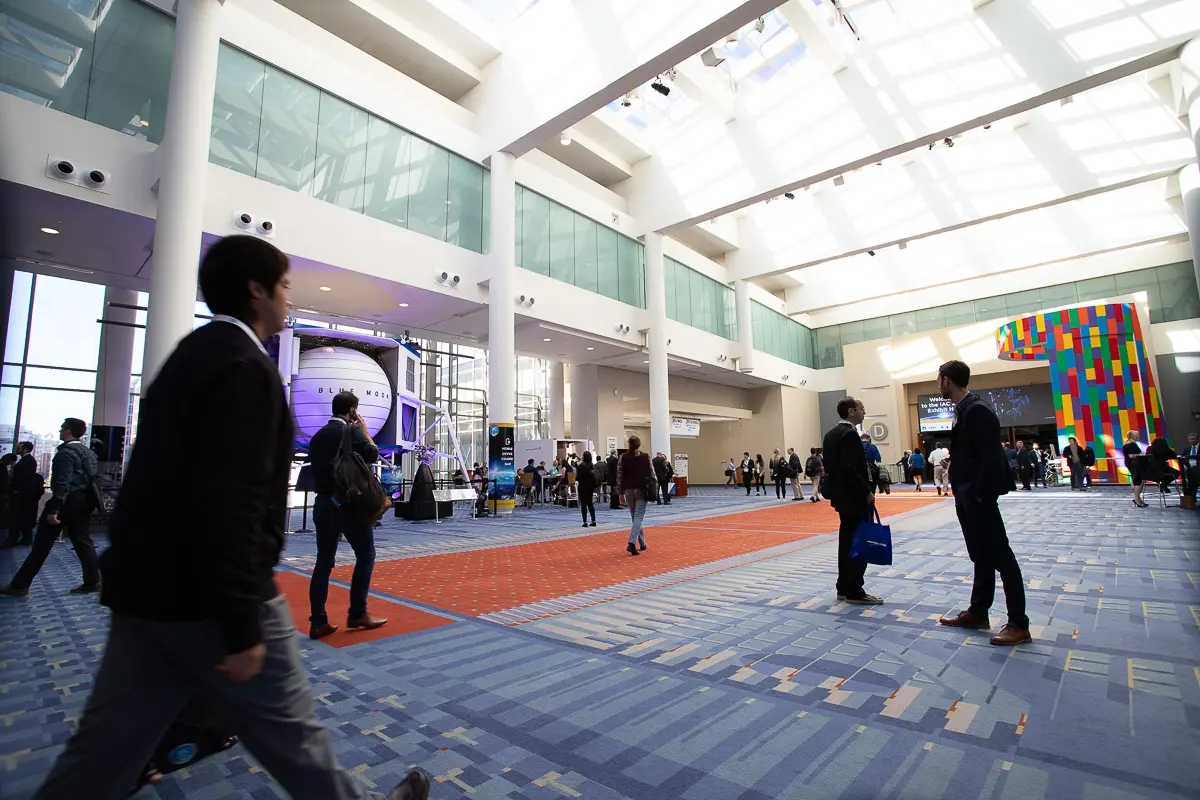
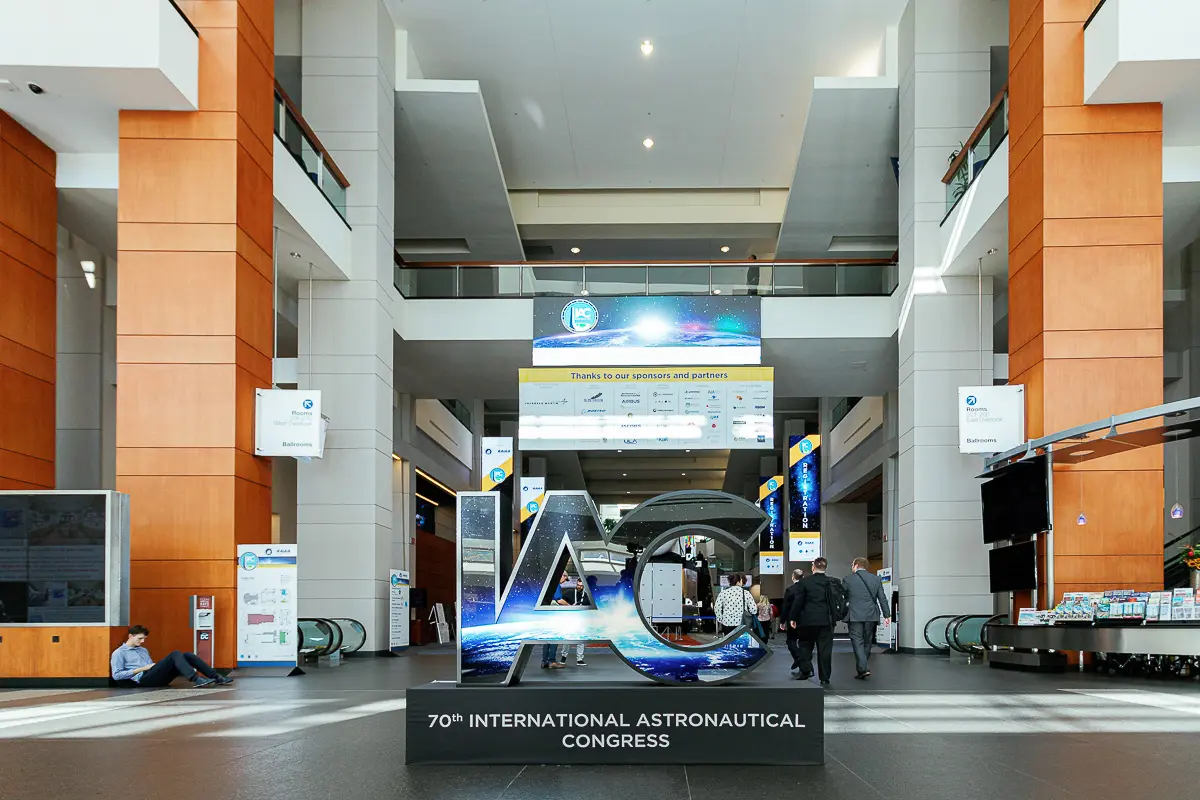
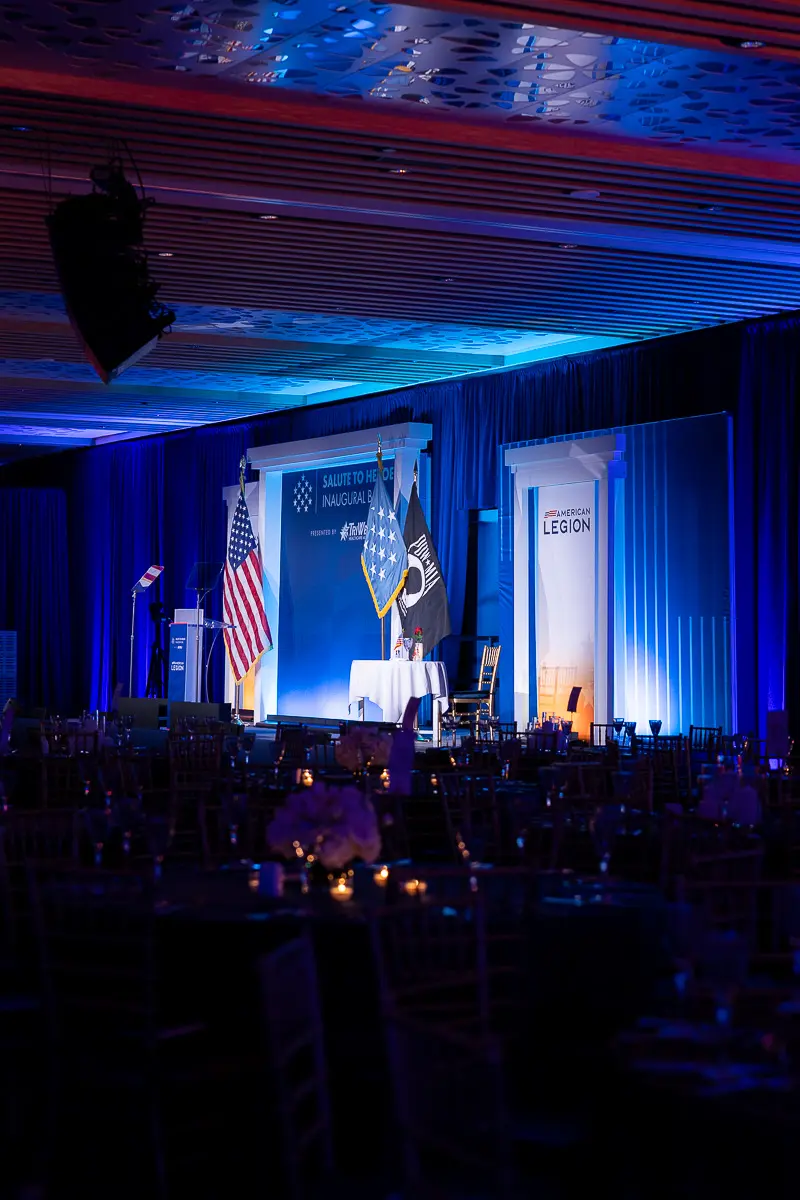
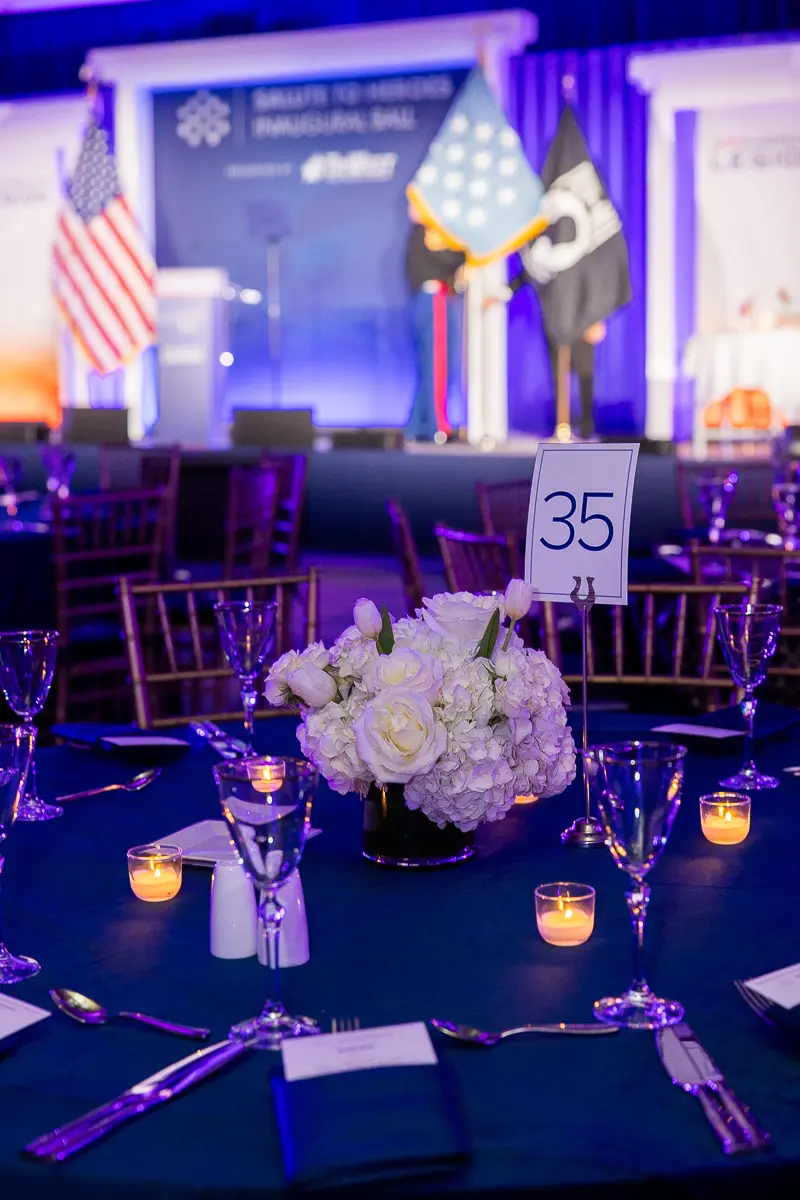
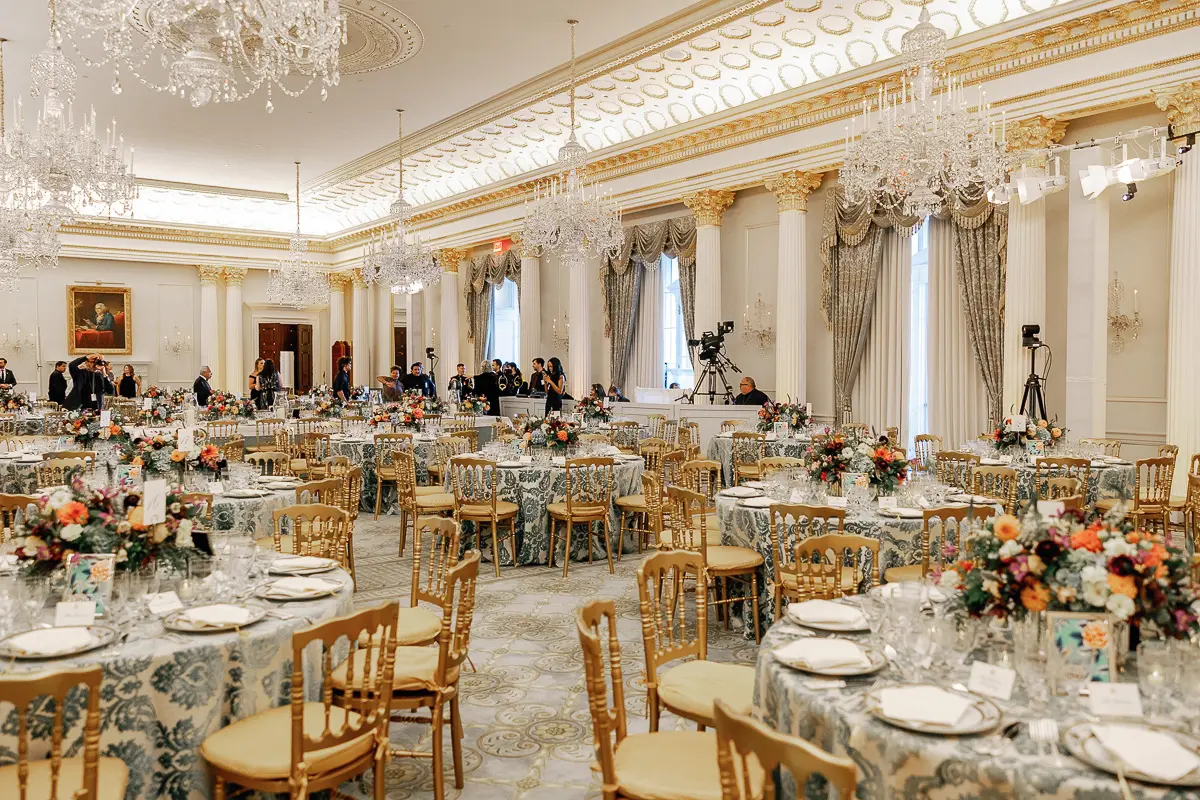
Many planners think the gallery starts when guests arrive. For communications teams, the story often starts earlier. Event setup images show scale, investment, branding, and the level of production behind the room. They also give teams useful assets for sponsor recaps, planning decks, and next year's promotional materials.
Details like podium signage, room layout, printed materials, floral design, table settings, and stage design are not filler. They are part of the visual evidence that the event was credible, organized, and worth attending.
Nonprofit and Association Galleries Need to Serve Communications Teams
The best nonprofit and association event galleries are organized around how the images will be used after the event. A communications director should not have to dig through hundreds of disconnected files to find a clean keynote image, the donor table, the sponsor sign, or a strong audience moment for the recap email.
A useful gallery is segmented by event phase: arrivals, reception, room details, speakers, panels, awards, networking, VIPs, and closing moments. It should include web-ready and high-resolution files, full commercial usage rights, and a delivery timeline that matches the pace of post-event communications.
Speaker Coverage Has to Be Strong, Fast, and Discreet
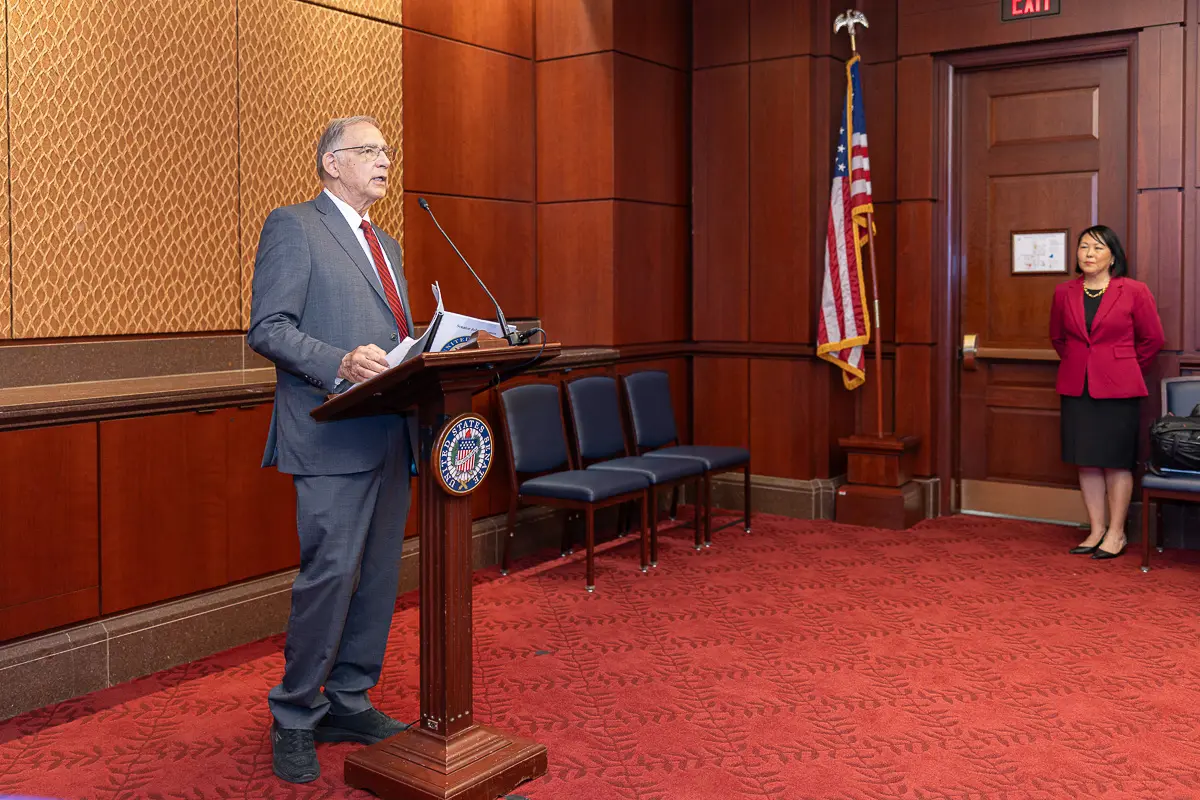
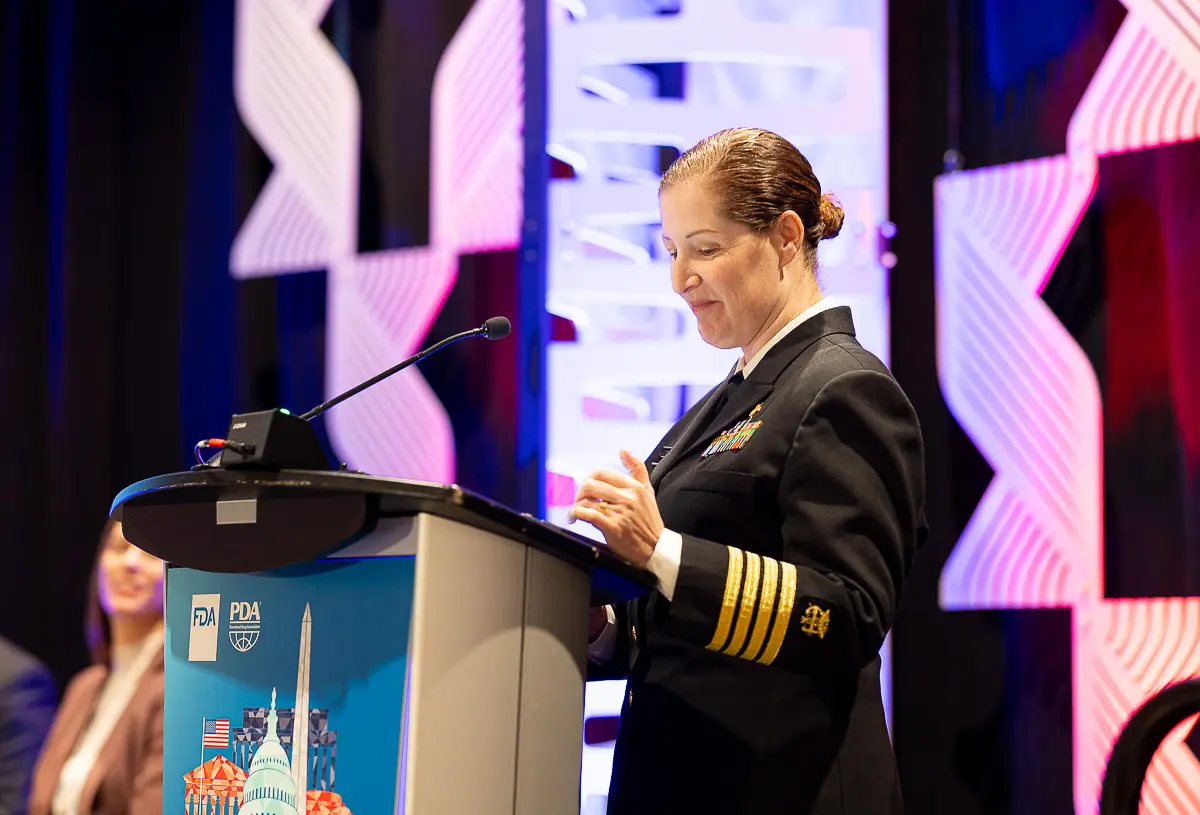
Government and policy events often include speakers whose images may be used by the host organization, partner organizations, public affairs teams, and media contacts. That creates a higher standard for clean composition, respectful angles, accurate captions, and fast access to polished files.
The photographer should be comfortable working around security, staff, media areas, tight stage lighting, and rooms where movement needs to be quiet. This is especially true for Capitol Hill-adjacent events, diplomatic programs, and association conferences where the room expects professionalism.
Diplomatic and Government Venues Require Extra Care
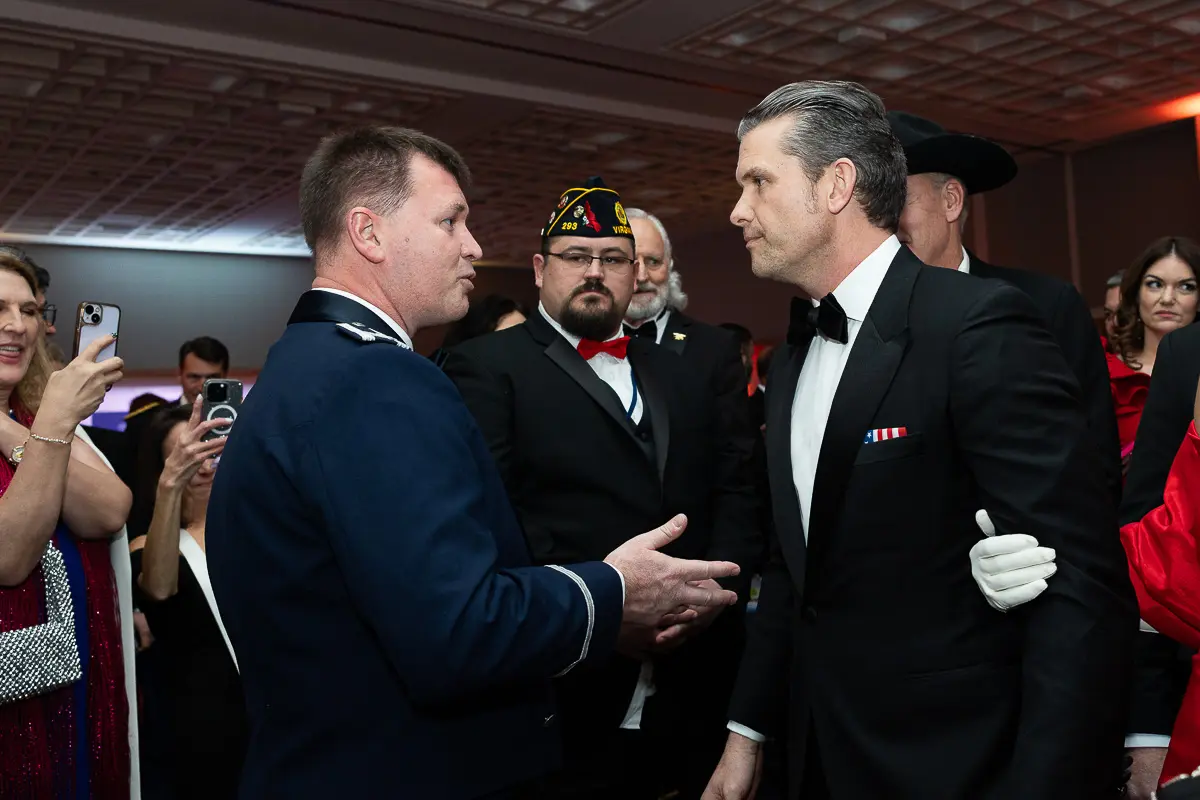
Some DC venues and government-adjacent spaces have protocols that change how photography should be handled. Certain rooms may have restrictions. Some moments may be private. Some guests may not want to be photographed. Some organizations need images that feel official without feeling stiff.
A photographer who understands that environment can work with discretion while still creating a strong gallery. That balance matters when the event sits between policy, diplomacy, membership, fundraising, and public communications.
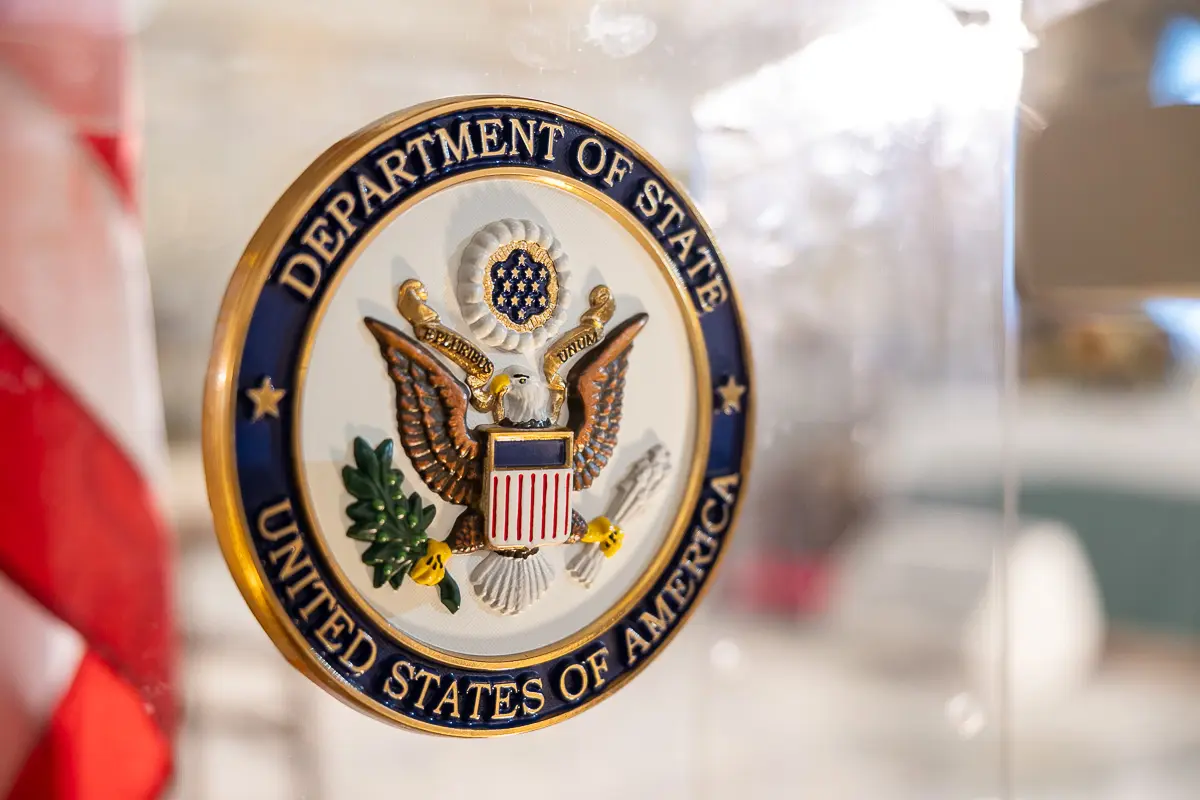
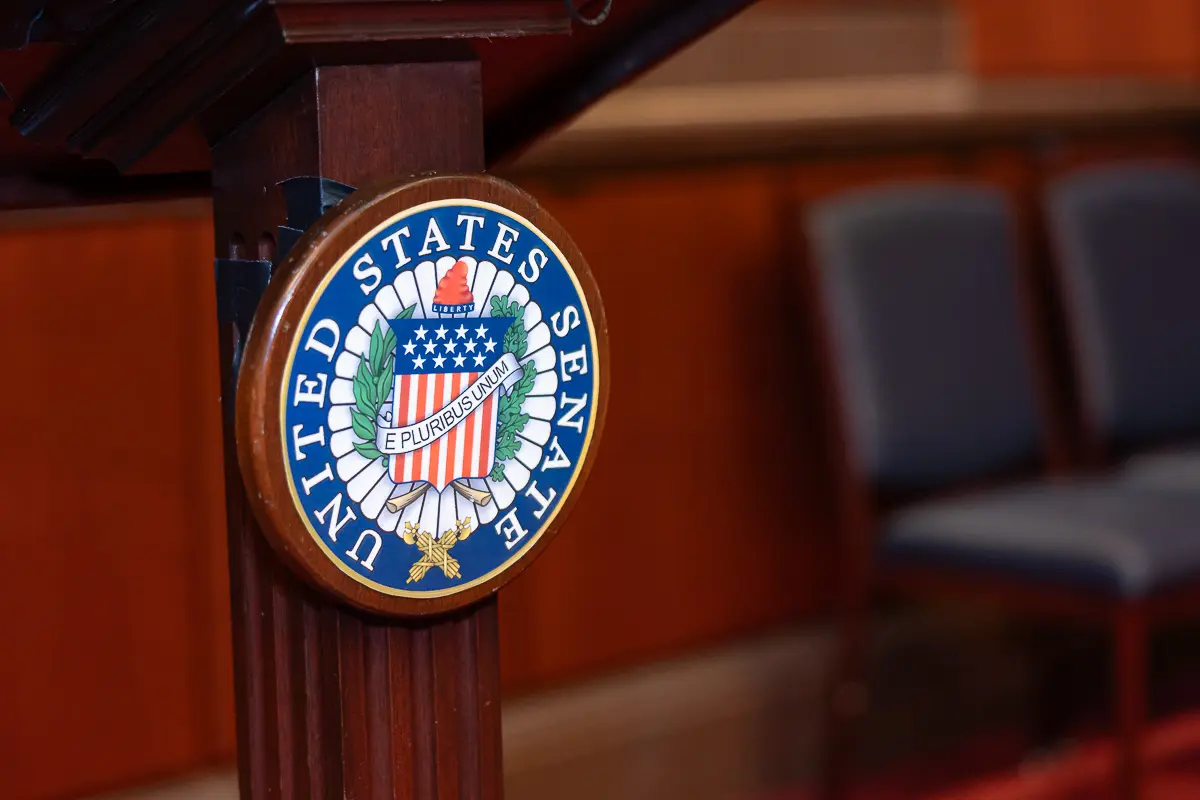
Department of State and Senate Event Signage Should Be Covered Cleanly
Signage is part of the record at government association events. It confirms the setting, gives the gallery context, and helps communications teams show where the event happened without overexplaining in copy. Department of State, Senate, Capitol Hill, and agency-related visuals should be photographed cleanly, straight, and without distracting clutter.
What to Ask Before Booking a Photographer
Before hiring a photographer for a nonprofit, association, diplomatic, or government-adjacent event in Washington DC, ask questions that reveal whether they understand the communications value of the assignment.
- Can you show examples of association, nonprofit, or government event coverage in DC?
- How do you prepare from a run of show and shot list?
- How do you handle VIPs, restricted moments, and guests who should not be photographed?
- What does delivery include, and how quickly can communications-ready images be available?
- Are full commercial usage rights included for press, web, social, reports, and donor communications?
- Do you carry backup equipment and have a plan for multi-room coverage?
How to Think About Value
Budget matters. Nonprofits and associations are accountable for every dollar. But the cost of weak event photography is often felt after the event, when the team has no strong images for the annual report, no polished recap assets, no sponsor deliverables, and no visuals that show the room's credibility.
Professional Washington DC event photography should make your communications team faster. It should give leadership useful images, help sponsors feel represented, support donor and member communications, and create a visual archive that reflects the quality of the event.
If your event images need to support press, policy communications, donor reports, membership updates, or sponsor recaps, photography should be planned with the same care as the agenda.
Final Thought for DC Planners
Government associations, nonprofits, and policy organizations host some of the most important events in Washington DC. The photography should respect that. It should be prepared, discreet, fast, and built around how the images will be used after the event.
For more planning context, read our guides on how to choose a corporate event photographer in Washington DC and mistakes DC event planners make when booking a photographer.

Planning a high-visibility event in Washington DC?
District Pixel photographs policy events, association conferences, nonprofit galas, diplomatic programs, and corporate gatherings for teams that need polished images delivered quickly.
Let's Talk